What Is The Backup Generator You Should Get For Your Business?
Portable generators are one of the most commonly found backup generators in the market for commercial purposes. These are powered by smaller engines. However, for powering larger infrastructures like a company building, hospitals, or schools, standby generators with an automatic transfer switch are the best. There are three things you need to consider while choosing the backup generator:- Total wattage requirement you need during an emergency outage
- Your budget constraints
- Features and functions of the Backup generator
Factors Businesses Must Consider While Choosing The Best Backup Generator
Determine the Required Generator Size
Start by identifying the suitable generator size needed for your company, depending on how much specific backup power will be required. It is not a one-size-fits-all solution, as requirements for businesses vary significantly. Consult with a reputed generator installation company, which will further conduct an on-site assessment to evaluate power demands. Depending upon your business’s specific needs, they will recommend you the best backup generators in terms of type and size. Going with this tailored approach will ensure that your power requirements are met and you are not overspending on a larger system that you do not require in the first place.Choosing Between Natural Gas vs Diesel Generators
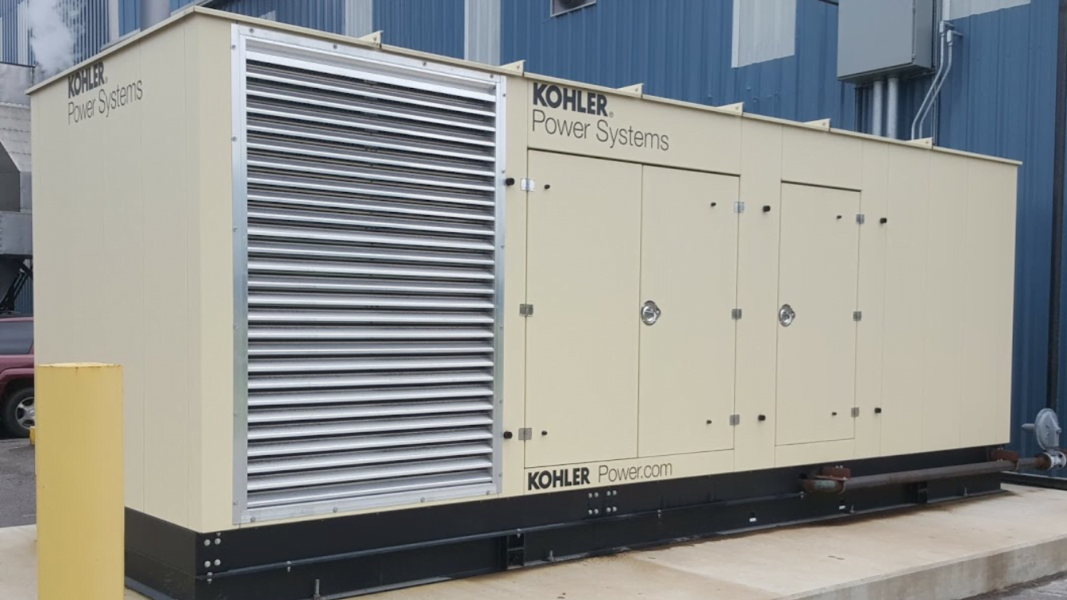 These are primarily two types of generators on the basis of their fuel type. Both have their own pros and cons.
Understanding the difference between these two will help you choose the right one for your business requirements. Let’s see what these both types of generators offer.
These are primarily two types of generators on the basis of their fuel type. Both have their own pros and cons.
Understanding the difference between these two will help you choose the right one for your business requirements. Let’s see what these both types of generators offer.
Diesel Generators
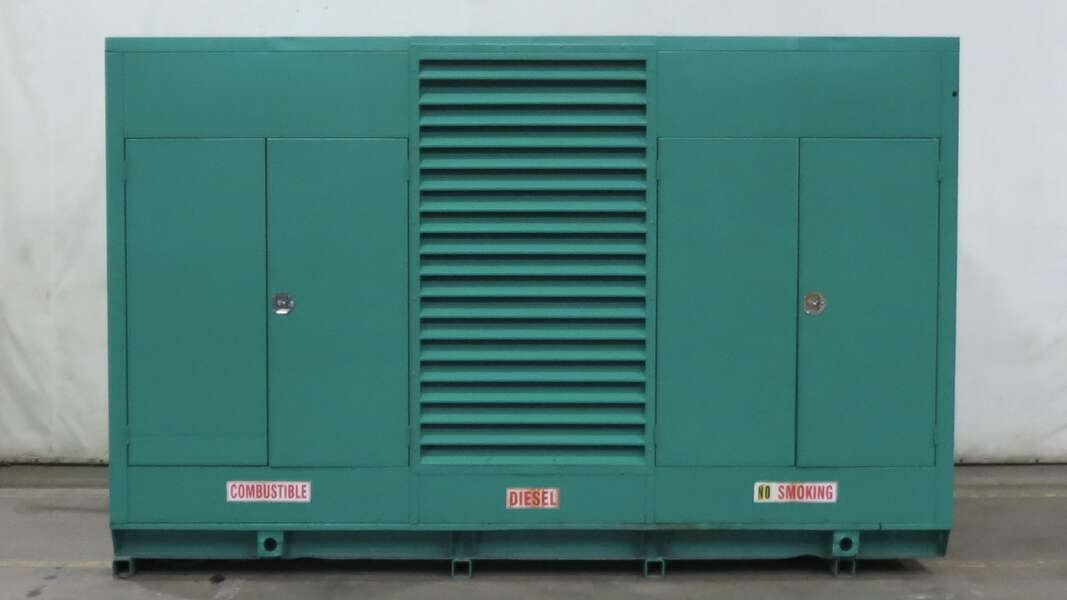
Diesel generators are highly reliable with less maintenance costs. It also has the potential to function as a primary power source. Here are some pros and cons of choosing diesel-fueled generators: Pros of Diesel Generators- Sturdy and durability in sustained performance
- Ideal for large commercial facilities
- Need less maintenance
- Need much fewer replacements
- Ability to function as a primary power source
- High upfront cost
- Need very large and dedicated space
- Not much eco-freindly compared to natural gas fuel generators
Natural Gas Generators
Natural gas fueled generators are a much better eco-friendly option as compared to diesel generators. These are also more cost-effective. Here are some pros and cons of Natural gas generators: Pros of Natural Gas Generators- Smaller in size, thus higher portability and easier to move
- More quiet functioning as compared to diesel generators
- More eco-friendly option
- Need higher maintenance as compared to diesel engines
- Over reliance on consistent supply of natural gas might defeat the purpose of emergency or backup generators.
Strictly Adhering To Local Codes And Regulations
Installing a backup generator for your business is an extremely regulated practice requiring compliance with local codes and regulations. It is essential to hire technical expertise to navigate through these regulation-based complexities. They help you ensure you follow every rule and regulation in the book to avoid or not mistakenly exploit any potential legal and safety problems. Before choosing a generator installation company, remember to check their track record and investigate their success, ensuring they are solid for the job.Selecting Appropriate Fuel Source
Backup generators operate on different types of fuels, including diesel, propane, natural gas, and gasoline. Different fuel sources come with their own set of advantages and disadvantages. You need to check a few considerable factors while choosing the right fuel source for your backup generator, such as availability, environmental impact, fuel efficiency, and cost.Check For Proper Ventilation
The higher efficiency and safety of a backup generator also depend on whether the machine is getting adequate ventilation. Proper ventilation prevents the accumulation of harmful gases such as carbon monoxide. Hiring professionals makes things easier for you as they will ensure you follow all the safety codes and regulations regarding your generator’s ventilation and location placement.