Power generators are important machines that provide alternate power during an outage. These are especially useful for establishments where an outage can either cause a major loss of business (in manufacturing units) or put people’s lives in danger (in hospitals). This is why it is important to have your generator up and running to the best of their capacity so that they perform well when needed. One way of ensuring that there are no glitches in their performance is generator synchronization. It is a way of bringing the generator on the same ground as the rest of the machine operators if they are removed from the service or connected again to the electrical power system.
What is generator synchronization?
Generator synchronization is a process where different parameters like system frequency, voltage, phase angle, the waveform of the alternator, and phase sequence are matched with another source of power or a power system. All of this is done before reconnecting the generator to a power source. Once all these parameters are synchronized with other generators, alternators, or bus bars, the power system bus is ready to run smoothly. Generator synchronization is a tricky business and utmost care must be taken while doing it, or else it can cause damage to the generator and the power system itself. One of the most significant requirements while synchronizing a generator or used generator and electric power system is that the frequency and voltage of the generator and power system must closely match. Another important aspect to be taken care of is that the rotor angle and the instantaneous power system phase angle should be really close before the generator breaker is closed and the isolated generator is connected to the power system. Mostly, generator synchronization is done through manual control capabilities, automation through an automatic synchronizer. This synchronizer usually provides manual controls that can be used in backup situations. Check our new diesel generator inventory, hereWhy is generator synchronization important?
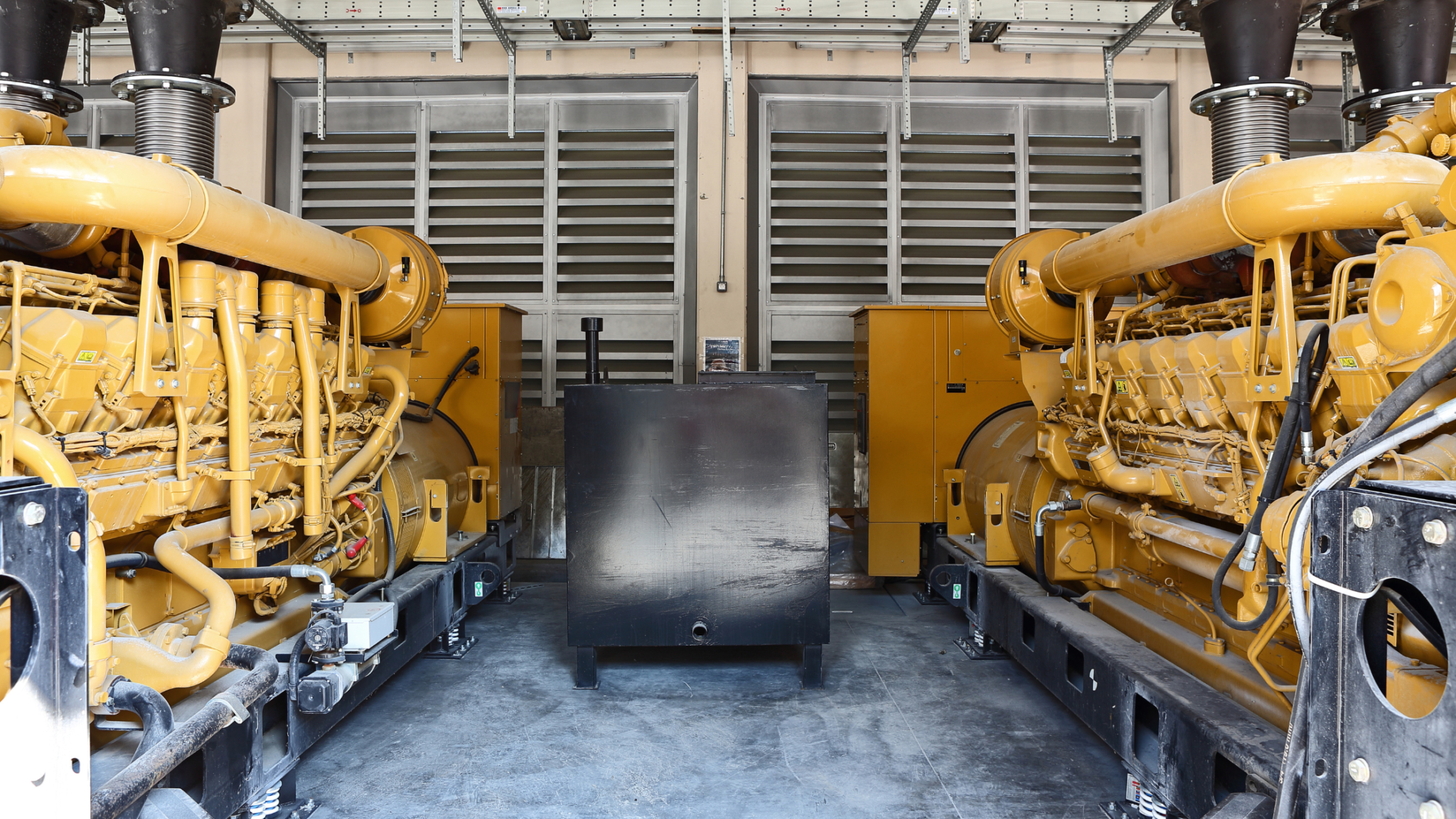
The main objective of installing a generator is to have alternate power in case of an outage or emergency. However, a generator will not be able to provide that alternate power if all the above-mentioned parameters of the generator perfectly match that of the source of power or the power system. This is especially needed when more than two alternators work together to provide power. As electrical loads are hardly ever constant, the two or more alternators often must be interconnected in such a way that they work in tandem and handle heavier loads.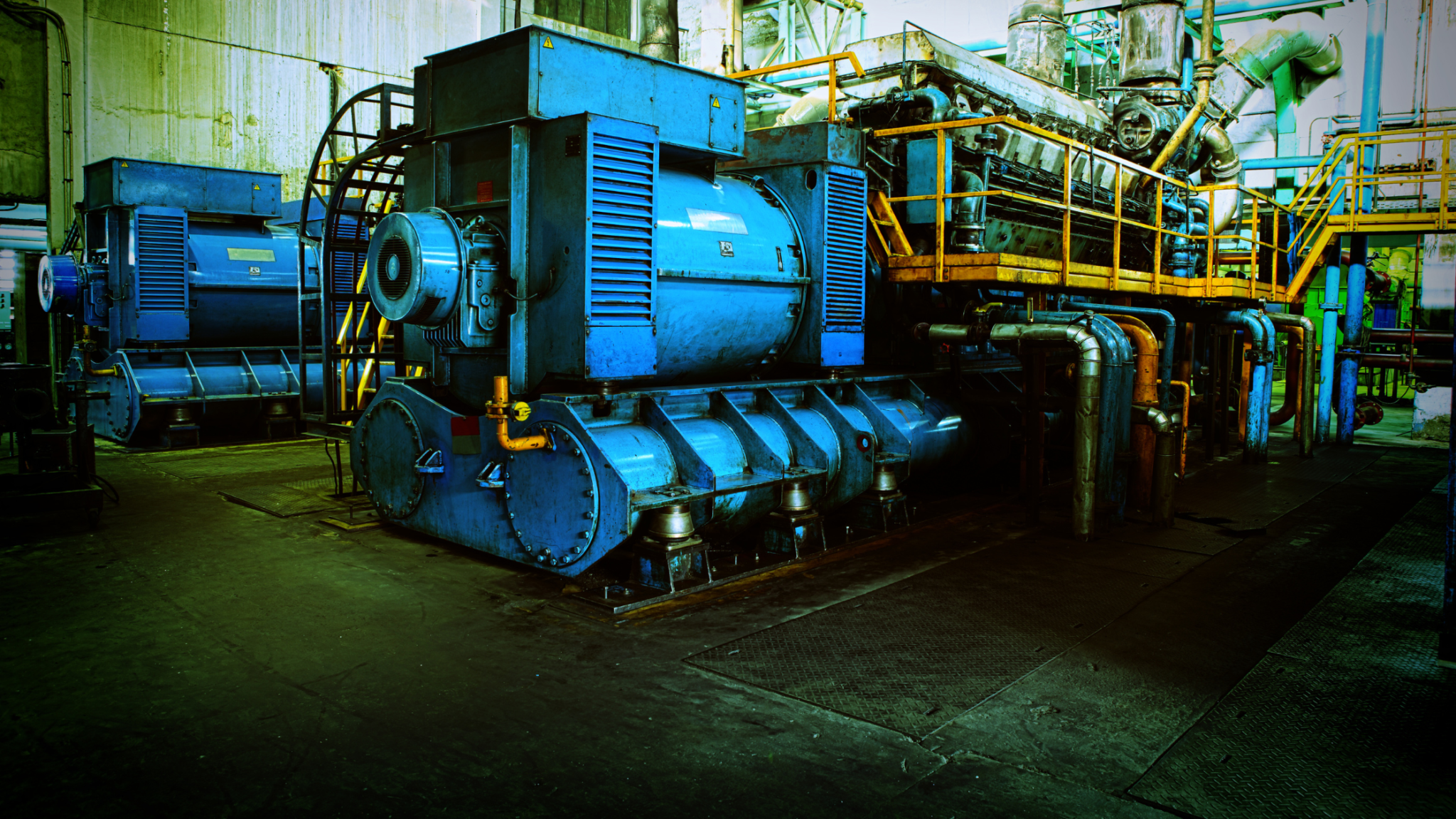 In many settings, a series of smaller units are used rather than deploying one huge unit of the generator. In this case, generator synchronization becomes imperative. Such a setup is preferred across commercial establishments. The reasons include:
- Reliable performance
- Continuity and non-stop supply
- Control and accommodation of fluctuating load requirements
- Enhanced efficiency
- Increased capacity
How does generator synchronization work?
Generator synchronization can be a complex procedure and it requires a certain kind of expertise to plan and execute it. While different generators might require different kinds of techniques and handling the entire process, there are certain basics that you need to follow irrespective of the varying factors.Three dark lamps method
This technique uses same frequency as that bus bar when synchronizing the second generator. This method doesn’t provide any information on the generator and bus bar frequencyTwo bright one dark method
This method is capable of measuring the frequency, but it will not check the correctness of the phase sequenceSynchroscope method
This method correctly provides information on whether the frequency of the incoming alternator frequency is higher or lower than that of the bus bar See related: 7 Diesel generator maintenance mistakesImportant Requirements for Generator Synchronization
Even though generator synchronization is all about aligning different parameters, here are the four important ones that you must ensure match when synchronizing two or more generators..Phase Sequence
The phase sequence of all the three phases of the alternators must be the same as that of your electric grid or bus barVoltage Magnitude
If the bus bar and alternators are not parallel, the voltage magnitude can cause a lot of disruption. The power system will potentially fail in case the alternator voltage is high or incoming alternator voltage is lowFrequency
The frequencies must match else it will create an unstable flow of energy, causing possible damage to the equipmentPhase Angle
The phase angle between the alternator and bus bar must be at zero for smooth functioning
What happens due to faulty generator synchronization?
If generator synchronization is not done properly, the following things might happen:- Both the prime mover and the generator may get damaged
- The set-up transformer widows and the generator may be damaged
- Disturbances in the electrical systems may occur
- It may cause a generator to switch off and then prevent it from restarting or picking up loads