Types of Diesel Generators
All diesel engines are internal combustion engines. Unlike a gasoline engine, a diesel engine uses compression ignition. The fuel ignites under the high temperature and pressure of a compressed gas that contains oxygen. Beyond the engine ignition, there are several different types of diesel generators.Air-Cooled or Liquid-Cooled
Air-cooled generators use air circulation to reduce the temperature of the generator set. Many portable generators and small standby generators use air cooling. Liquid-cooled generators use a radiator and a water pump to keep the internal temperature low enough. Most larger generators are liquid-cooled. Liquid cooling systems cost more than air cooling, but they are more durable and more powerful.Single-Phase or Three-Phase
Residential homes usually have a single-phase power supply. Commercial and industrial locations more often have a three-phase supply. A three-phase supply can handle a higher load. It also provides more consistent power.Breaking the Stereotypes
Many people have a negative perception of diesel generators. These ideas are based on older technology. New diesel generators are cleaner and quieter than the models of previous generations.Noise
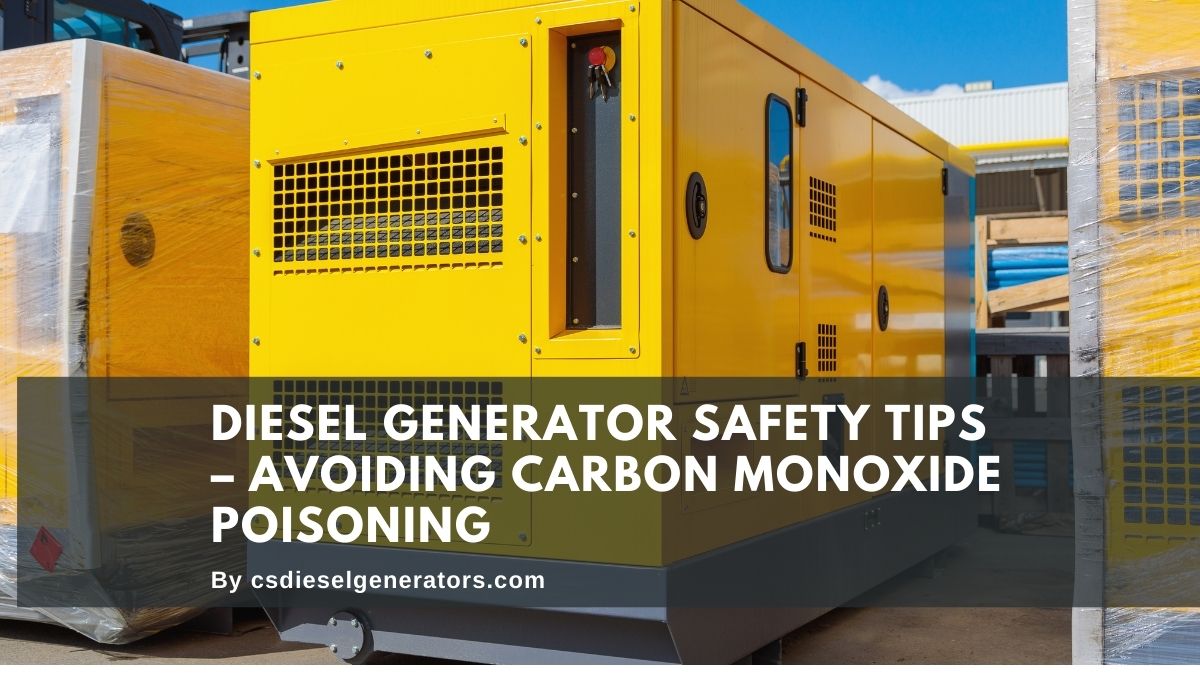
Generators have a reputation for being loud. Diesel generators are especially notorious. However, modern generator manufacturers produce quieter models. Improved internal combustion controls, internal combustion technology, and fuel injection reduce noise. Newer engines run more smoothly and vibrate less. Some manufacturers build enclosures for the generator to further dampen the sound. These enclosures also protect the generator from bad weather or other environmental factors. You can find mufflers and silencers for your diesel generator if you need to reduce the noise even more. Some silencers help filter emissions. Others will recover heat from the generator that you can use for other purposes.Pollution
Newer diesel generators run much cleaner than older models. The Environmental Protection Agency (EPA) adopted emissions standards for diesel generators that came fully into effect in 2015. Generator manufacturers incorporated these regulations into their new designs. Modern generators use ultra-low sulfur diesel, which is the EPA standard. They also have more efficient combustion. The EPA requires the use of an additive called diesel exhaust fluid. It reduces nitrogen oxide emissions by as much as 95%. Exhaust gas recirculation also lowers nitrogen oxide emissions.Maintenance
Older diesel generators required a lot of maintenance. Newer models need less maintenance and cost less to maintain. In addition, diesel engines don’t have spark plugs, so they need maintenance less frequently than other types of generators. They have less wiring. The engine design is simpler. Diesel generators run cooler than generators that use other fuels. They have a longer lifespan because they are under less stress. See related: Complete Guide to Generator MaintenanceAdvantages of a Diesel Generator
A diesel generator has many advantages compared to generators that run on gasoline, propane, or natural gas. Diesel generators are efficient, reliable, and cost-effective. Here are some of the benefits you’ll see.Fuel Efficiency
Diesel can be somewhat more expensive than regular gasoline, but you get more power per gallon. Diesel generators burn less fuel than gasoline or natural gas generators. The cost of fuel per kilowatt-hour is less. Natural gas is cheaper than diesel, but a natural gas generator costs more. Diesel fuel efficiency and lower capital cost make a portable diesel generator a better choice than other fuel types. It produces more power but uses less fuel.Safety
Diesel engines start with compression, not a spark. You avoid the risk of an explosion when you start the generator. Diesel is less flammable than other fuel sources like gasoline or natural gas. Because diesel is a more efficient fuel, you don’t need to refuel the generator as often. You reduce the risk of spills and accidents.Continuous Power Supply
Diesel generators are very reliable. They’re rugged and sturdy. They can run for long periods of time if needed. In fact, they can run longer than other types of generators. They also handle a larger power load.CHECK OUT OUR NEW GENERATOR INVENTORY