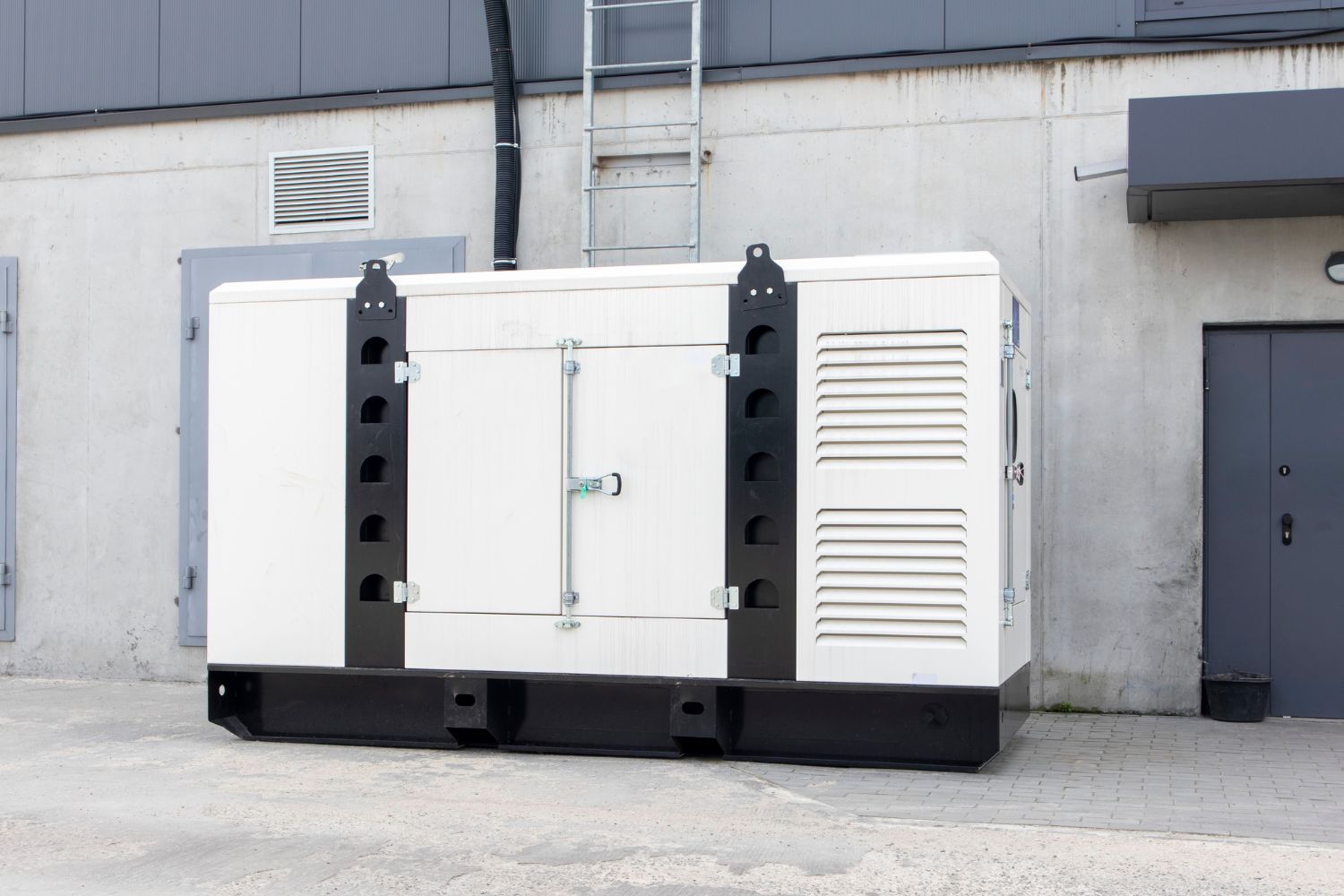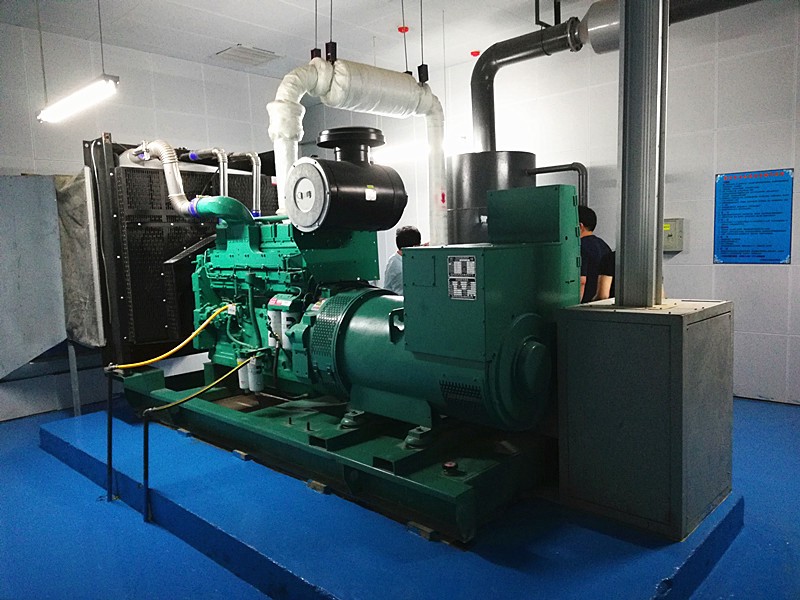

Importance of Generator Maintenance
| Aspects of Importance | Description |
| 1. Reliability and Uptime: | Reinforcement generators are vital for continuing operations during power cuts. |
| Regular maintenance improves generator quality, ensuring consistent operations. | |
| Downtime because of generator failure can have serious consequences for organizations. | |
| 2. Cost Avoidance: | Unplanned generator failures can result in significant repair costs and operational downtime. |
| Proactive maintenance helps identify and address issues early, preventing costly breakdowns. | |
| 3. Business Continuity: | In sectors where uninterrupted power is critical, generator maintenance is a cornerstone of business continuity plans. |
| Well-maintained generators contribute to the overall resilience of the organization. | |
| 4. Compliance and Regulations: | Many industries are subject to regulatory requirements regarding backup power systems. |
| Regular maintenance ensures compliance with these regulations, avoiding potential penalties and legal consequences. | |
| 5. Prolonged Lifespan: | Proper maintenance practices contribute to the longevity of generators. |
| Regular inspections, testing, and care of components help prevent premature wear. | |
| 6. Optimal Performance: | Maintained generators operate at peak performance levels, providing the required power output when needed. |
| Routine checks and adjustments optimize efficiency and minimize the risk of performance degradation. | |
| 7. Safety Considerations: | Generator malfunctions can pose safety risks to personnel and the surrounding environment. |
| Regular maintenance includes safety checks and ensures that generators operate within specified parameters. |
Regular Inspection and Testing
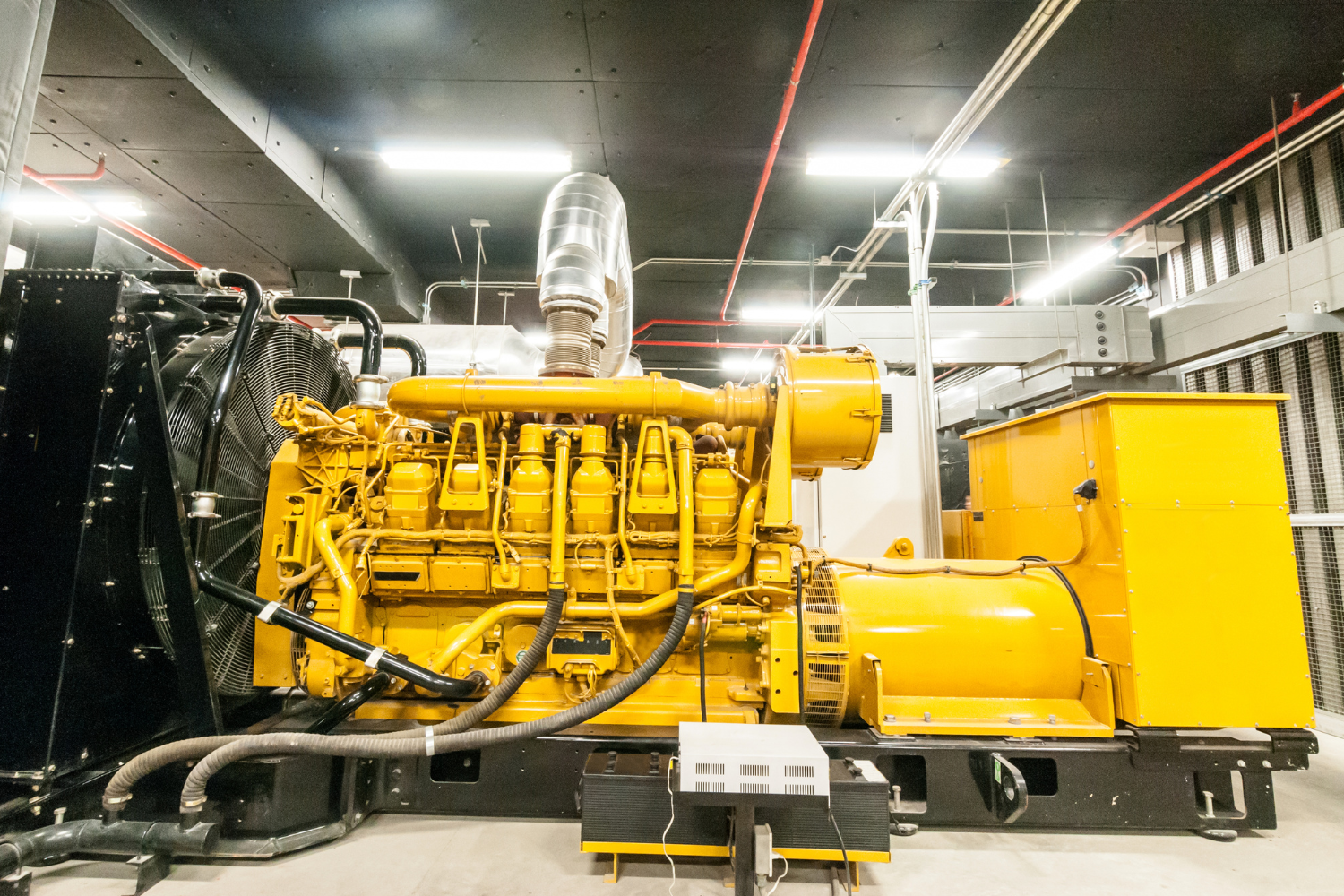
Regular inspection and testing are indispensable parts of a generator maintenance program, ensuring the quality and performance of power generators. Regular inspections include a careful assessment of key generator parts, including fuel systems, batteries, and cooling systems. Visual examinations recognize indications of wear, erosion, or potential issues that could impact execution during a power outage. Load bank testing is another basic viewpoint, re-enacting genuine circumstances and checking the generator’s ability to deal with differing loads. This cycle not only affirms the generator’s capacity to help with the necessary electrical burden. The suggested recurrence for load bank testing relies upon factors like generator use and ecological circumstances. By directing regular inspection and testing, users can resolve possible issues before they arise. This proactive strategy limits the risk of generator disappointments, upgrading the general reliability of backup power systems. Moreover, a well documented inspecting and testing routine adds to compliance with industry guidelines and standards, supporting the viability of the maintenance program.
Battery System Maintenance
Battery system maintenance is a basic part of ensuring the performance and reliability of backup power systems in data centers. These batteries play an important role in starting the generator and giving continuous power during blackouts, making their smooth working fundamental for continuous tasks. Regular battery maintenance and testing are important to resolve potential issues immediately. Experts should check for signs of corrosion, loose connections, and the condition of the battery. Load testing checks the battery’s capacity to deliver the necessary power during a power outage, giving experiences into its well-being and execution. Taking into account the typical life expectancy of generator batteries, proactive replacement strategies are essential. Convenient substitution before the finish of the battery’s duration cycle limits the risk of unforeseen disappointments. This approach guarantees that the backup power system stays in good condition while required, adding to general business congruence. By integrating battery framework maintenance into the generator care program, data center administrators can boost the efficiency and life span of their backup power systems. These practices upgrade the flexibility of the data center and align with industry guidelines and standards, supporting the significance of maintenance.Cooling System Care
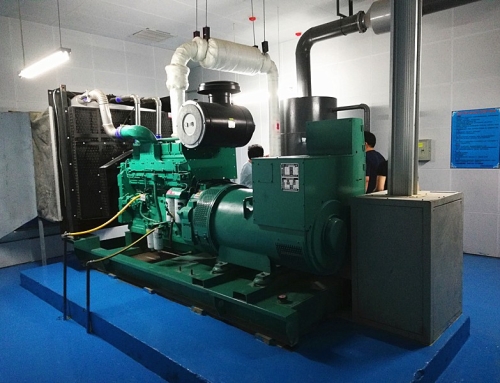
Cooling system care is essential for keeping up with ideal generator maintenance. Generators produce significant heat during operation, and a well-working cooling system is fundamental to prevent overheating. Regular inspection, cleaning, and maintenance of the radiator and cooling fan are important tasks. Professionals should ensure that these parts are free from dust and damage, promoting efficient heat dissemination. By focusing on cooling system care, data center administrators can reduce the risk of overheating-related issues, protecting the generator and adding to the quality of the backup power system.
Environmental Considerations and Record-Keeping
Weatherproofing: Address the impact of environmental factors, such as extreme temperatures and humidity. Consider formulating strategies for weatherproofing generators to enhance their durability. This approach will help- Protect generators from adverse weather conditions, preventing damage.
- Enhance the longevity of generators by minimizing exposure to harsh elements.
- Contribute to the overall resilience of backup power systems.
- Facilitates systematic tracking of maintenance schedules and activities.
- Enables proactive identification of recurring issues and trends.
- Assists in complying with industry regulations and standards.