Table of contents
- Pros and cons of indoor commercial generator
- Pros and cons of outdoor commercial generator
- Which generator is right for your business?
Pros and cons of indoor commercial generator
Pros
- Noise-canceling: Indoor commercial generators come with noise-reducing features for quieter operation and they are quieter than outdoor generators.
- Protect from environmental damages: They are safeguarded from environmental factors like rain, heat damage, and other natural calamities and thus reduce maintenance needs.
- Security: Indoor generators are more secure and safe than outdoor generators from theft and vandalism.
Cons
- Installation: Indoor generators require dedicated rooms, ventilation, and exhaust systems that are expensive and complex.
- Expensive: Indoor installations require more cost than outdoor installations as they require building modifications and specialized equipment.
- Challenges: Maintenance and service activities can be more complicated if they are performed indoors.
- Ventilation needs: Indoor generators require proper ventilation to remove heat and fumes which is changeling to implement in a building.
- Noise reduction: Though indoor generators produce less noise than outdoor ones, they still produce noise which should be managed.
Pros and cons of outdoor commercial generator
Pros
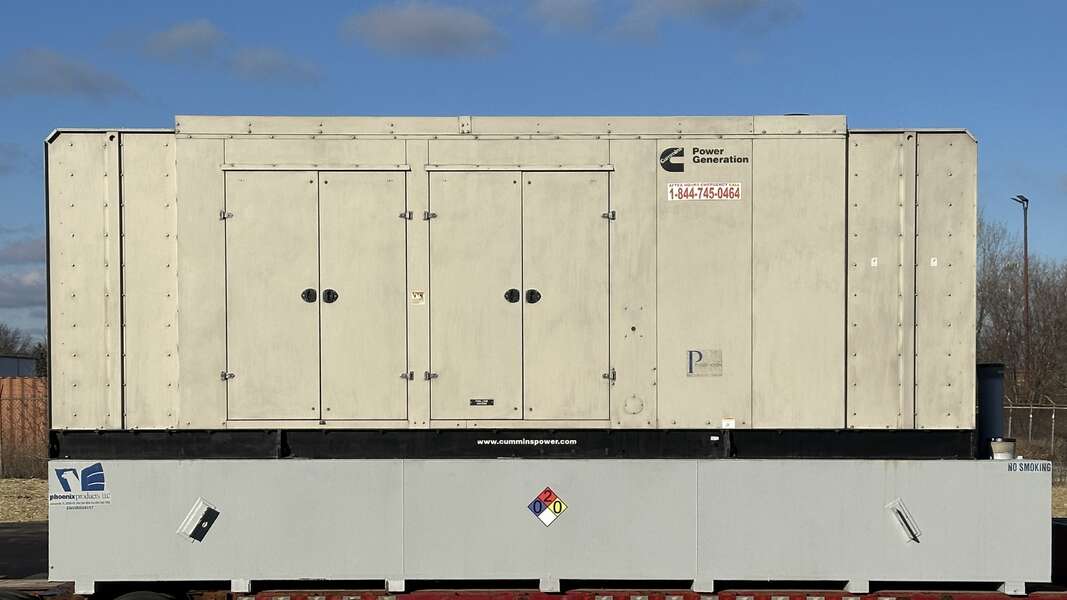
- Installation: Outdoor generators require few structural changes and meet fewer building regulations.
- Cost-effective: Outdoor installations are less expensive than indoor installations as the indoor generator requires specialized equipment and separate rooms.
- Easy maintenance: Outdoor generator maintenance is much easier than indoors as it is more accessible.
- Noise mitigation: As outdoor generators are placed in remote areas or outside the buildings, it reduces noise disturbance to employees, neighbors, and customers.
- Environment protection: Outdoor generators come with enclosures to protect from all-natural calamities and extend their lifetime.
Cons
- Weather damage: Since outdoor generators are placed outside, they are more susceptible to weather damage so they require proper enclosures and regular maintenance.
- Noise: Outdoor generators are noisier than indoor generators but it can be mitigated with enclosures.
- Theft or vandalism: Outdoor generators are more prone to theft or vandalism since they are placed outside buildings or in remote areas.
Which generator is right for your business?
Some of the factors to consider when choosing the right generator for your business- Determine power requirements: Estimate the total power required for your industry or facility during continuous loads and peak loads.
- Determine fuel type: Based on the cost and environmental impacts, choose a fuel type like diesel or natural gas.
- Noise levels: To minimize disturbance to surrounding areas, choose a generator with tolerable noise levels.
- Space availability: Generators require enough space for fuel storage and to perform periodic maintenance, ensuring your facility has the required space for the generator placement.
- Costs: Consider the generator cost, installation cost, labor, and permit cost that comes under your budget.
- Maintenance: Prepare a periodic schedule for regular maintenance and servicing of generators for their longevity and reliability.
- Building codes and regulations: Both indoor and outdoor commercial generators must comply with the area’s building codes and regulations.
Indoor Vs outdoor commercial generator
- Space: When space is limited, indoors is the right generator for your business. They also provide reliable power sources for essential applications and medical devices.
- Noise: If noise is a concern, indoor generators have noise-reducing features which will be the better choice.
- Environmental concerns: Battery-powered Indoor generators are more eco-friendly than diesel generators as they do not produce fumes or noise.
- Budget: Outdoor generators are less expensive upfront whereas indoor generators come with high installation costs.
- Safety: Indoor generators should have proper ventilation to avoid the risk of carbon monoxide poisoning compared to outdoor generators.
- Applications: Indoor generators could be desirable choices for many industries and businesses as their facility and operation scale require reliable indoor power sources.
Points to ponder
- Prioritize safety: Regardless of the generator you choose, ensure the safety instructions and guidelines specified by the manufacturer.
- Proper Ventilation: If you are using a fuel-powered indoor generator, ensure you have exhaust pipes outside that are away from doors and windows.
- Carbon monoxide detectors: Install carbon monoxide detectors in your facility to detect any potential hazards.
- Contact expert: If you are not sure about the suitable generator for your industry or business and to install it on your premises, consult a generator specialist or a qualified technician.