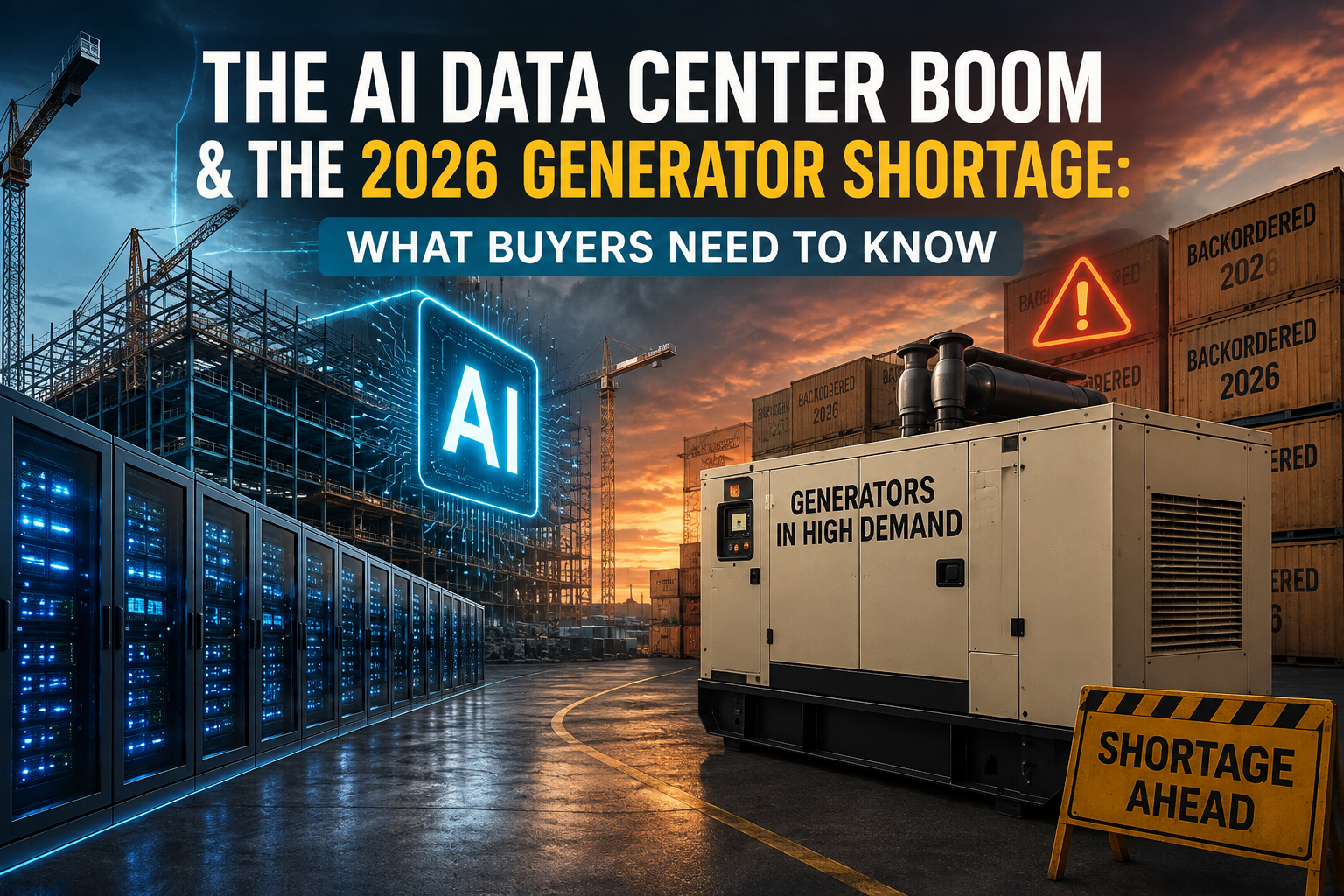
If you’ve requested a quote for a large standby generator recently, you’ve seen it: delivery dates a year or more out, price escalation clauses, and allocation language that didn’t exist in 2019. The cause isn’t a supply chain hiccup — it’s a structural demand shock from the largest infrastructure buildout of the decade. Here’s what’s happening, and what smart buyers are doing about it.
Why AI Broke the Generator Market
- Every data center needs near-1:1 backup. A 100 MW AI campus typically installs 100+ MW of standby generation — dozens of 2–3 MW gensets per site.
- The buildout is unprecedented. US data center diesel capacity grew from roughly 20 GW nameplate in 2018 to about 55 GW by 2024. Virginia alone had permitted 10,500+ generator units (~27 GW) by end-2025.
- AI racks multiplied the density. Racks that drew 5–10 kW now draw up to 100 kW for AI clusters, pushing per-site backup requirements — and genset orders — dramatically higher.
- Hyperscalers buy years ahead. Cloud providers reserve production slots in bulk, leaving allocation-only availability for everyone else. Caterpillar’s backlog reached roughly $63 billion, and large-genset slots at major OEMs are reported allocated into 2028.
- The bottleneck cascades. Even when a genset is available, switchgear (up to 72 weeks) and transformers can gate the project.
Generator Lead Times in 2026: The Numbers
| Equipment (new) | 2026 Lead Time | Pre-2020 Norm |
|---|---|---|
| 25–400 kW standby diesel | 12–26 weeks | 4–8 weeks |
| 500–1,000 kW standby diesel | 26–52 weeks | 10–16 weeks |
| 1,250–3,250 kW standby diesel | 52+ weeks | 16–24 weeks |
| Medium-voltage switchgear | up to 72 weeks | ~24 weeks |
| Automatic transfer switches (large) | 20–40 weeks | 6–12 weeks |
| Tested used/surplus genset (in stock) | 1–4 weeks | 1–4 weeks |
What the Shortage Is Doing to Prices
New-unit pricing has escalated well above general inflation since 2021, with annual increases and raw-material surcharges now routine. The used market has followed: low-hour large gensets that once sold at 40–50% of new now command 60–75% when new delivery is a year away — the market is effectively pricing the value of time. Even so, a tested used unit delivered this month is frequently the cheapest total-cost option once you count the downtime risk of waiting a year.
6 Strategies to Get Backup Power in 2026
1. Buy tested used or surplus equipment
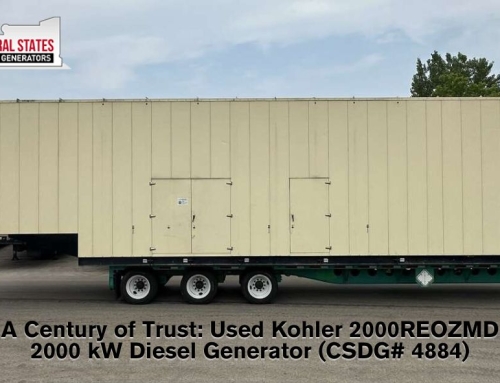
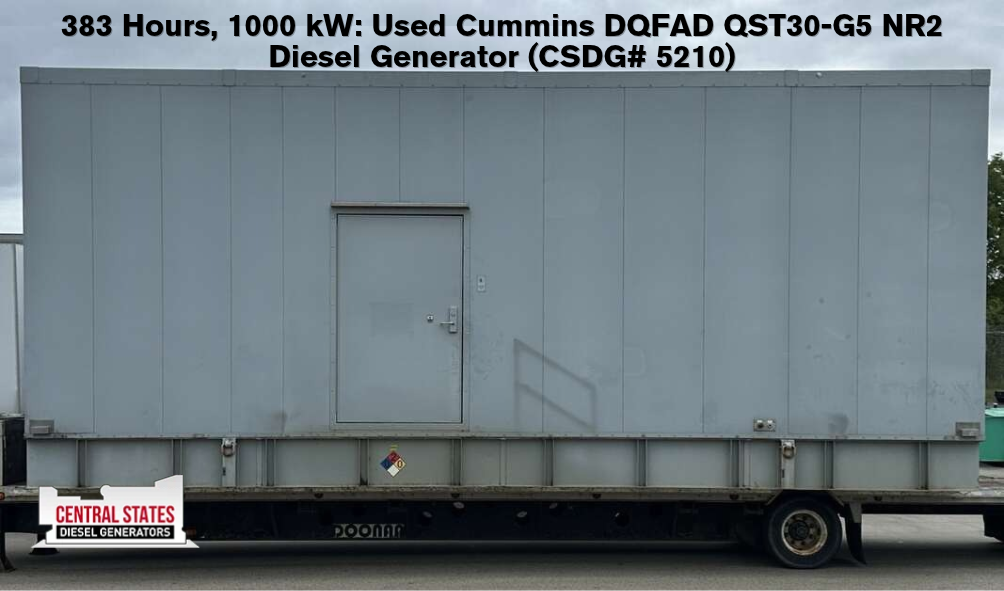
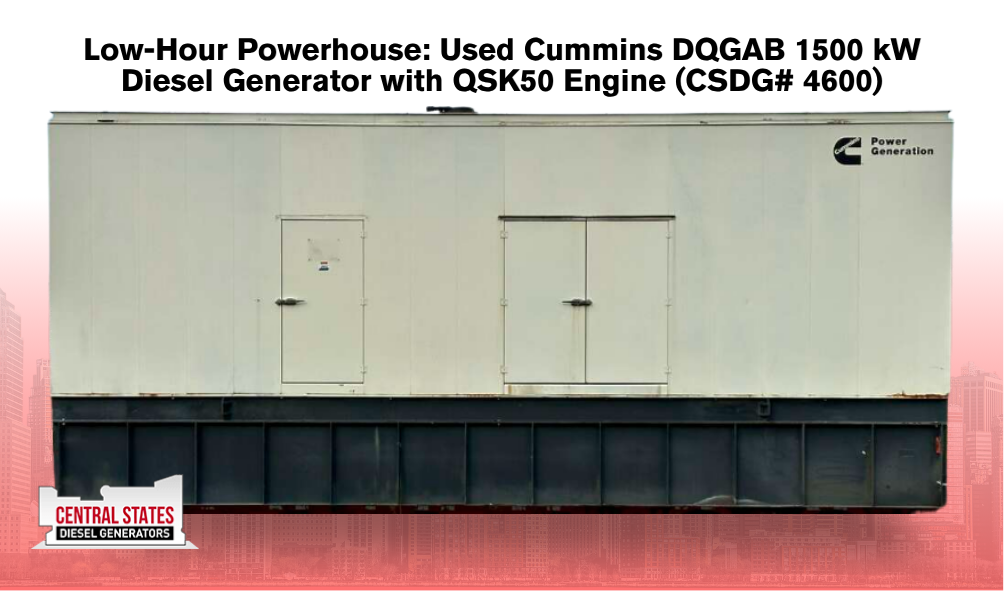
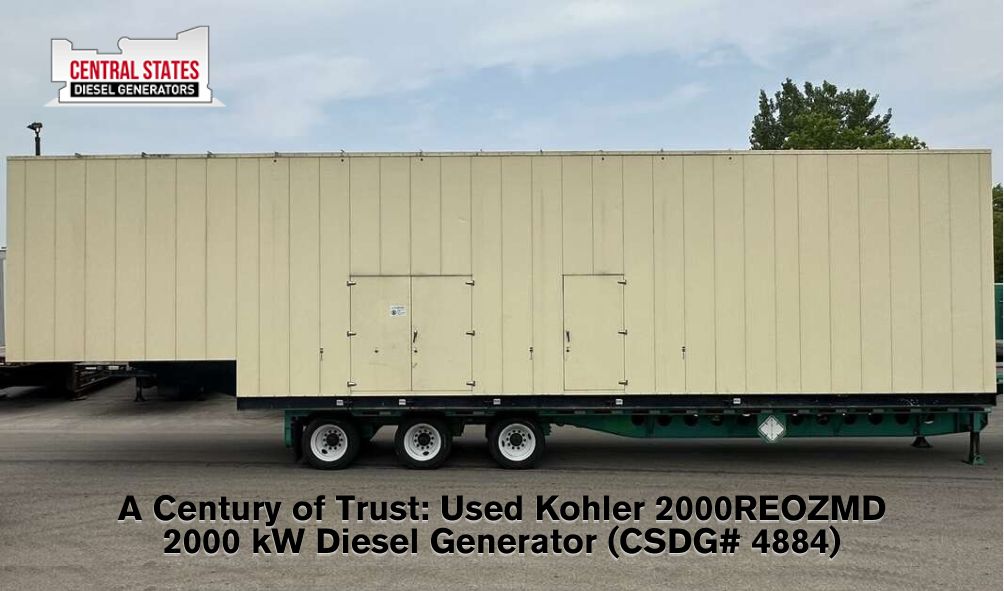
Load-bank-tested used gensets with documented hours ship in weeks, not quarters. Data center refresh cycles are simultaneously feeding excellent low-hour units into the used market — the same boom causing the shortage is producing its best used inventory.
2. Parallel smaller units
Two 500 kW units can substitute for one 1,000 kW unit — and smaller frames have shorter queues. Paralleling adds switchgear cost and complexity but also buys redundancy (N+1) that a single large unit can’t offer.
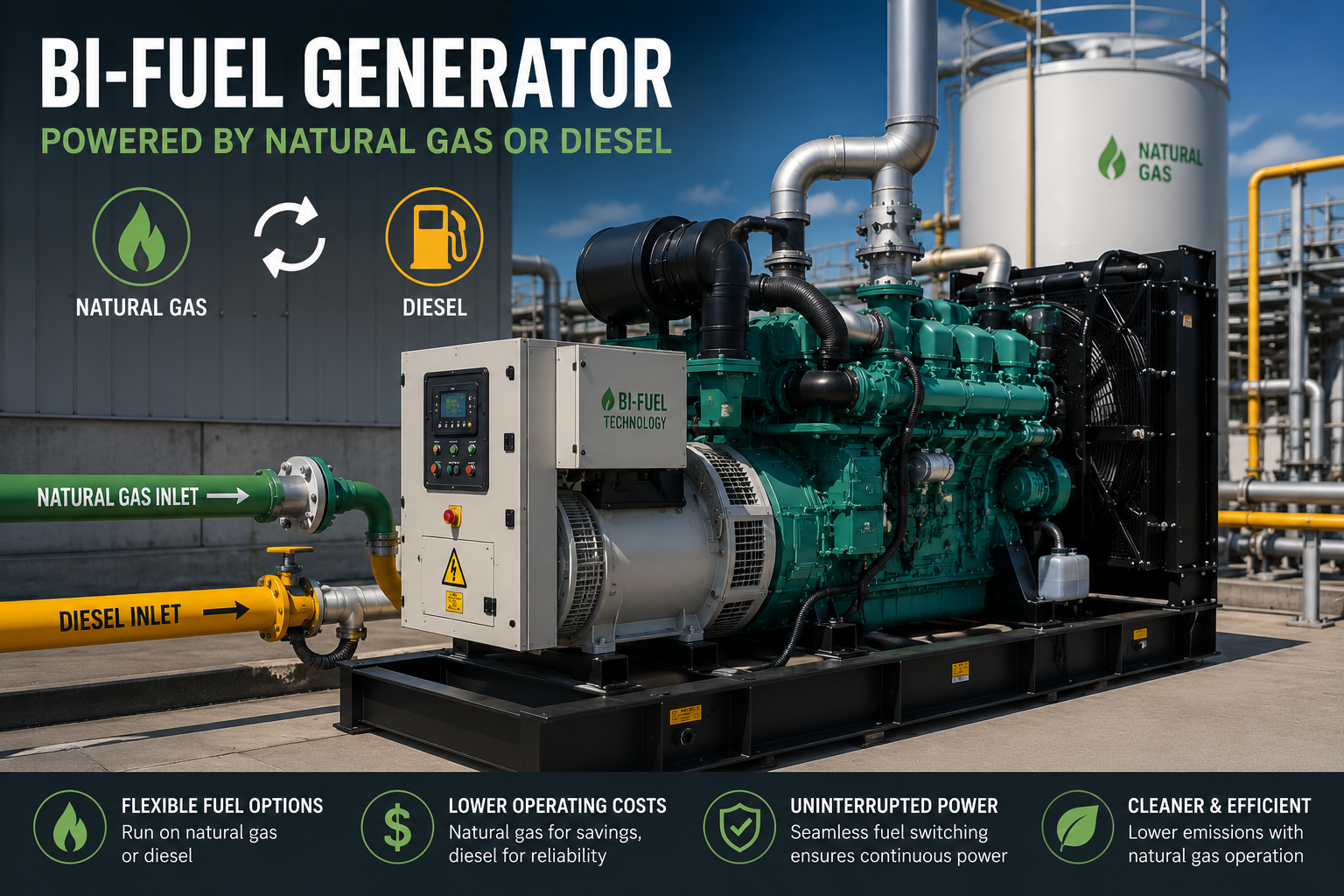
3. Consider natural gas gensets
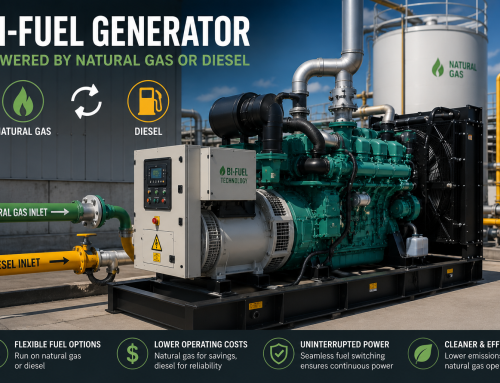
NG unit queues are often shorter, and permitting is easier in strict air districts. The trade-offs: pipeline dependence during regional disasters and derated pickup performance versus diesel.
4. Order early with escalation caps
If your project timeline permits a new unit, order at design stage — not at construction — and negotiate caps on price escalation clauses and firm slot commitments.
5. Watch cancelled-order inventory
Project delays and cancellations periodically release nearly-new units into dealer stock. Ask dealers to flag you when cancellations land in your size class — these units combine new condition with used-market delivery.
6. Bridge with rental power
Rental fleets can bridge the gap between occupancy and genset delivery, though rental rates have also climbed with demand. Budget it as insurance, not as the plan.
How Long Will the Shortage Last?
OEMs are expanding capacity, but engine plants take years to build and the AI pipeline keeps growing — hundreds of announced data center projects extend past 2030. Most industry analyses expect large-genset constraints to persist through at least 2027–2028, with mid-size classes easing first. Buyers should plan as if extended lead times are the new normal, not a temporary condition.
Frequently Asked Questions
Why is there a generator shortage in 2026?
Data center construction — accelerated by AI computing demand — has consumed most large diesel engine manufacturing capacity, while hyperscale buyers reserve production slots years ahead. Switchgear and transformer shortages compound the problem.
How long does it take to get a new commercial generator in 2026?
Roughly 12–26 weeks for 25–400 kW units, 26–52 weeks for mid-size, and 52+ weeks for 1,250 kW and above — plus longer if medium-voltage switchgear gates the project.
Are used generator prices going up?
Yes. Extended new-unit lead times have lifted used prices, particularly for low-hour large units, which now sell at 60–75% of new in many cases. Documentation (load-bank reports, verified hours) increasingly separates premium units from the rest.
What’s the fastest way to get 1 MW of backup power right now?
A tested used or surplus unit from dealer stock — deliverable in 1–4 weeks — or two paralleled 500 kW used units. Rental power can bridge shorter gaps.