Research the Supplier
Buying a used generator is a lot like buying a used car. You wouldn’t buy a used car from just anyone, would you? A generator is a big investment and you need to be sure you can rely on it for years to come. That’s why it’s key to research the supplier before buying anything. Are they a reputable company with years of experience? Do they have a good track record? Can they answer all your questions? Only buy from suppliers that stand by their products and can help walk you through the process.Determine the Age and Run-Time
When looking for a used generator for sale, the condition and history may not be apparent online. Ask your supplier for the history, hours, and age of the unit. You can check some of this by looking at the odometer. Yes, generator engines have an odometer reading you can check.How Was It Used?
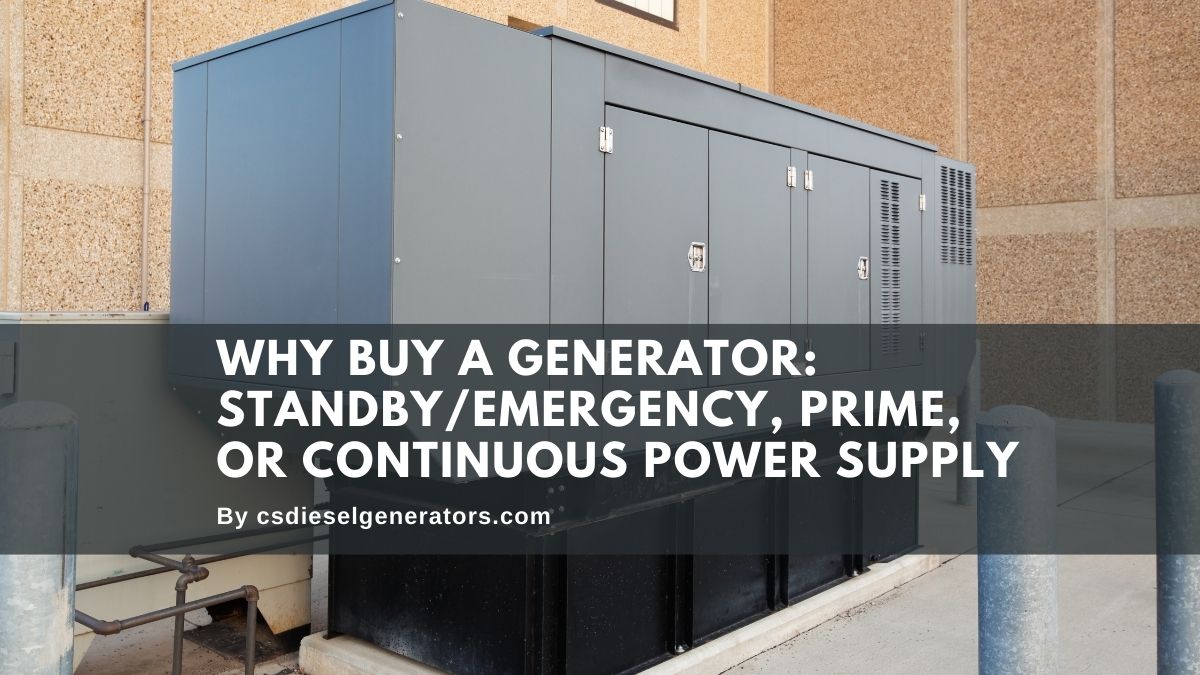
It’s useful to know what the generator was used for or if it was mostly standby. Some generators supply an ongoing supply of electricity while others may remain on hand only for emergencies. Generators that were used as a backup source of power often tend to be in better shape. They have less wear and tear and might be a better investment. In some cases, you won’t be able to determine the history or run-time of a generator. If the generator came from foreclosure or an auction, for example, that information may not be accessible. This is why it’s important to buy from a reputable supplier as they should inspect and test equipment before selling it.Types of Generators
Understanding the various types of generators and uses can help you make an informed buying decision. For instance, standby generators are mostly used for emergencies while Uninterruptible Power Supplies (UPS) protect data in the event of a power outage.Regular Maintenance
Knowing whether the previous owner performed regular maintenance is also important. Maintenance improves performance and also ensures the machine keeps running for years to come.Research the Manufacturer
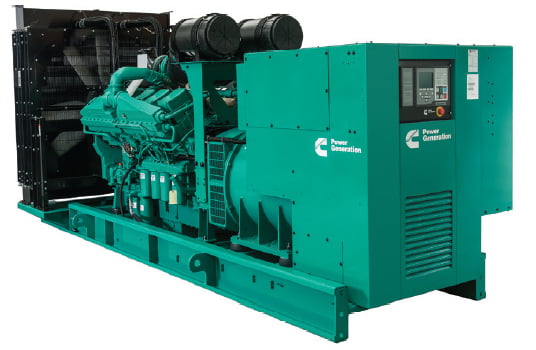
Determine the manufacturer of your generator and do some research on the company. Much like with the supplier, understanding their history and track records can impact your decision to buy. Thankfully, it’s easier than ever to type a manufacturer’s name online and do a little background check. Is this a trusted company? Do their generators tend to have favorable reviews online? While the make and model don’t always impact performance, you may want to stick with companies that you trust. Before you buy a generator for sale, check your supplier’s website. They may have a list of manufacturers and more information about each brand. If you’ve never heard of a brand before, see if your supplier would recommend it.Use a Load Bank Test
Many dealers already run this test, but you should always ask. A load test ensures that your generator can respond to and support a load. In short, this is a test of its efficiency. Performing this test gives you a general idea of how well the generator is working and the state of it. It should also tell you if the output and frequency are correct. To make sure your generator isn’t deteriorating or won’t face a breakdown, the dealer may need to repeat the test.Perform a Visual Inspection
Much like you wouldn’t buy a used car without looking at it first, you shouldn’t buy a used generator without an inspection. Generators are both expensive and complex machines. Before you buy one, you need to look it over for signs of wear and tear. A little wear and tear are normal for a used generator since this is bound to happen during operation. However, cracks or corrosion may raise some red flags. Replacement parts may not be a cause for concern, but you’ll want to make sure all components work together. Manufacturer-recommended components are best, but not always necessary. Before putting up a used generator for sale, any supplier should check the wiring and welds. A thorough inspection and test can conclude if everything is in working order or if these components need replacing.Check out our used generator inventory




![How to Leverage Remote Monitoring for Your Industrial Generator?[2024 guide]](https://csdieselgenerators.com/wp-content/uploads/2024/03/Remote-Monitoring-500x383.png)