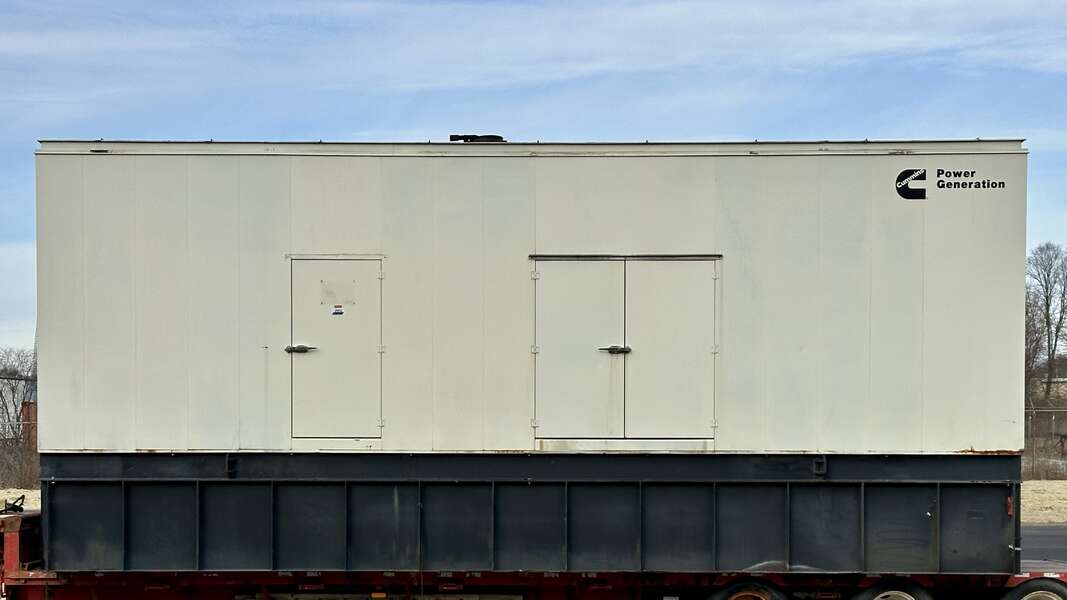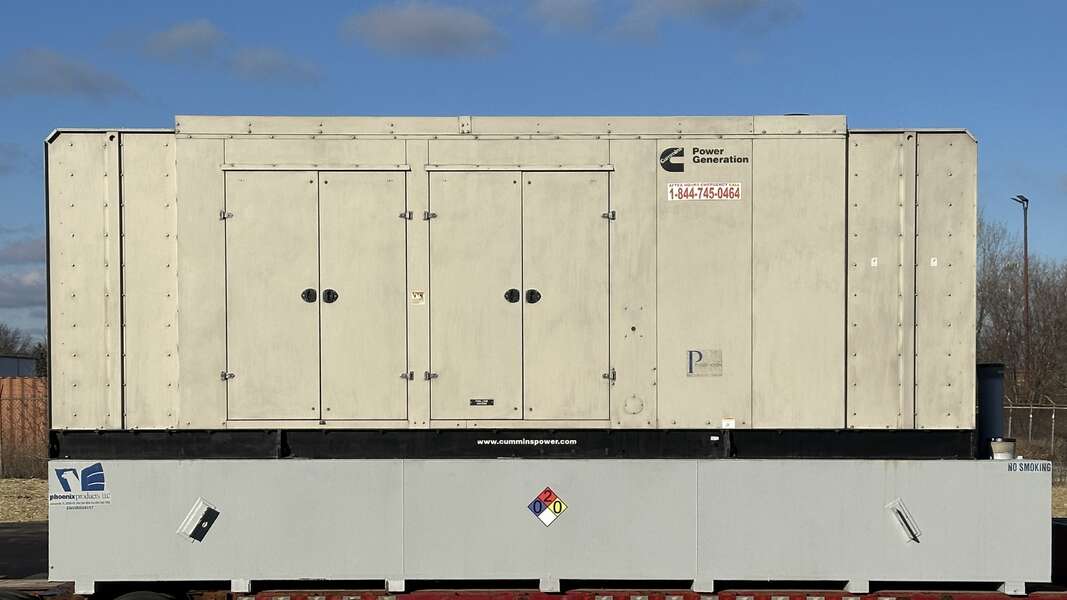

Have you ever wondered how industries maintain a constant power supply, even during power outages? The answer lies in industrial generators.
Industrial generators are crucial in providing reliable power solutions for different industries. Among the various types of generators available, diesel generators stand out for their durability and efficiency. This article delves into industrial diesel generators, exploring their different types and practical applications. Businesses can make well-informed decisions regarding their power requirements by understanding the types of industrial generators and their use.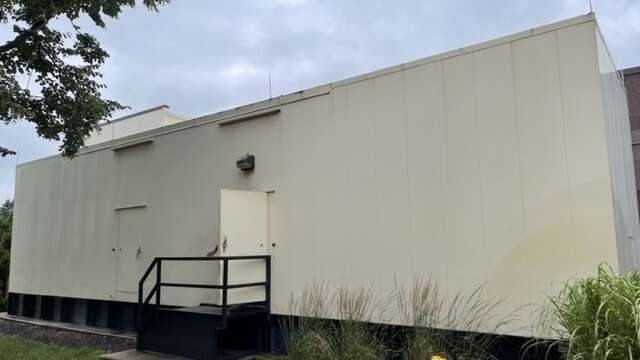
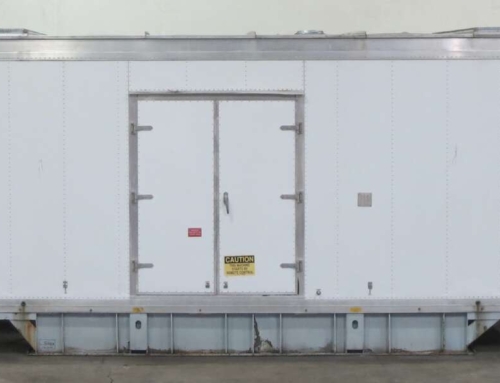
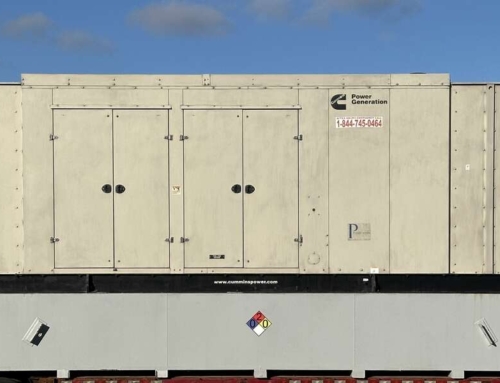
Diesel generator housed in a sound attenuated enclosure
What are Industrial Diesel Generators?
Industrial diesel generators are powerful gasoline generators that generate electricity using diesel fuel during power outages. The diesel fuels the generator’s engine, which in turn drives the alternator to convert the engine’s mechanical energy into electric energy. These generators usually also have a cooling system to regulate the temperature and prevent the engine from overheating.Types of Industrial Diesel Generators
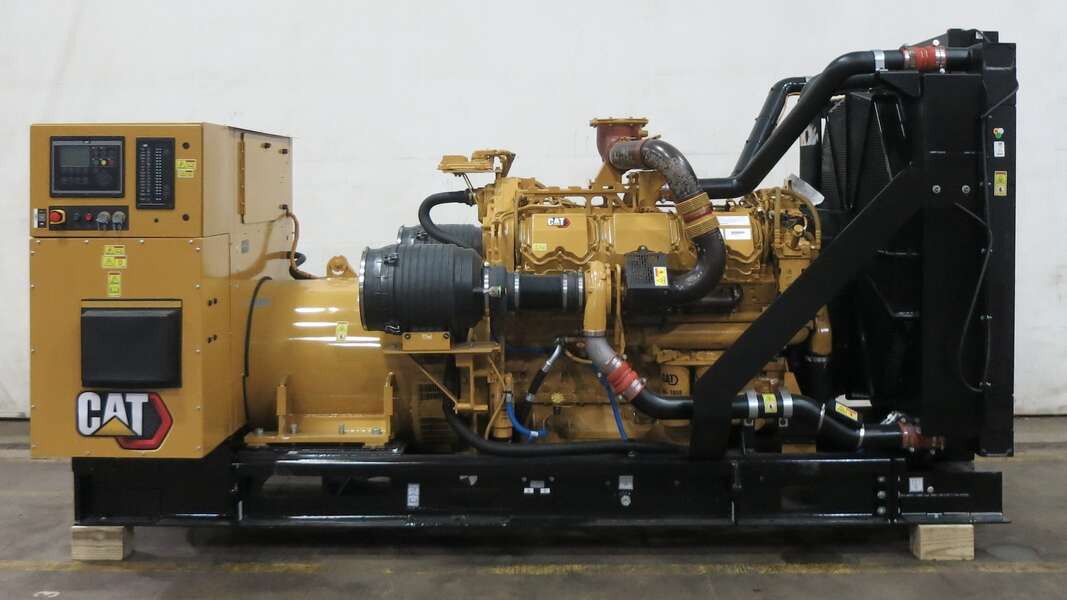
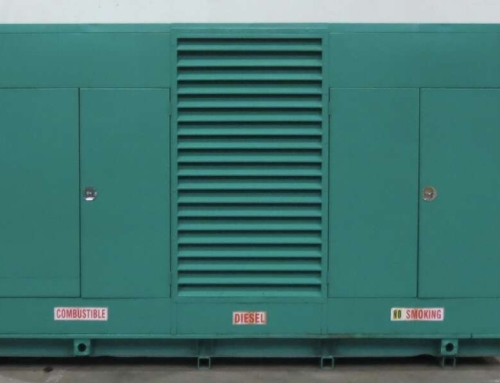
Industrial diesel generator equipped with an engine, alternator, and cooling system.
Types of Industrial Diesel Generators Based on the Combustion Cycle
Two Stroke Diesel Generators
Two-stroke diesel generators are known for their simplicity and compact design. These generators complete a power cycle in just two piston strokes, making them efficient and reliable. They are commonly used in small-scale applications, such as small portable generators for construction sites or outdoor events.Four Stroke Diesel Generators
Four-stroke diesel generators are more commonly used in larger industrial applications. They operate using a four-stroke combustion cycle: intake, compression, power, and exhaust. These industrial generators offer improved fuel efficiency and durability, making them suitable for heavy-duty usage.Types of Industrial Diesel Generators Based on Their Characteristics
Portable Generators
As the name suggests, portable generators are compact, lightweight, and easy to transport. Portable generators are commonly used in locations requiring a temporary power source. Portable generators are popular in construction sites, outdoor events, and recreational activities like camping for powering smaller tools.Inverter Generators
Inverter generators are better for more stable power output and clean energy. Inverter generators convert the raw power generated by the engine into high-quality electrical power. Diesel-powered inverter generators are commonly used in hospitals, laboratories, and IT environments, where power stability is crucial. Now that we’ve discussed the inverter generator let’s look at where the standby generator differs.Standby Generators
Standby generators are the superhero of power backup that can save the day during electrical outages. The backup generator automatically activates and produces electricity whenever an interruption occurs in the main power supply. Standby generators are commonly installed in critical facilities like hospitals, data centers, and industrial complexes. They ensure an uninterrupted power supply and prevent costly downtime.
Types of industrial diesel generators based on the cooling system
Air-Cooled Diesel Generators
Most generators have a cooling system to dissipate heat and maintain optimal operating temperatures. In air-cooled diesel generators, this job is done by fans placed near generator engines. Air-cooled generators are generally smaller and more cost-effective than water-cooled generators. They are suitable for applications with lower power requirements, such as small businesses, residential backup power, and mobile units.Liquid-Cooled Diesel Generators
On the other hand, liquid-cooled diesel generators typically use a radiator and coolant to regulate the engine temperature. These generators are highly efficient and capable of handling larger power loads. Liquid-cooled generators are commonly found in industrial settings, large-scale commercial buildings, and facilities with high power demands.Application of Industrial Diesel Generators
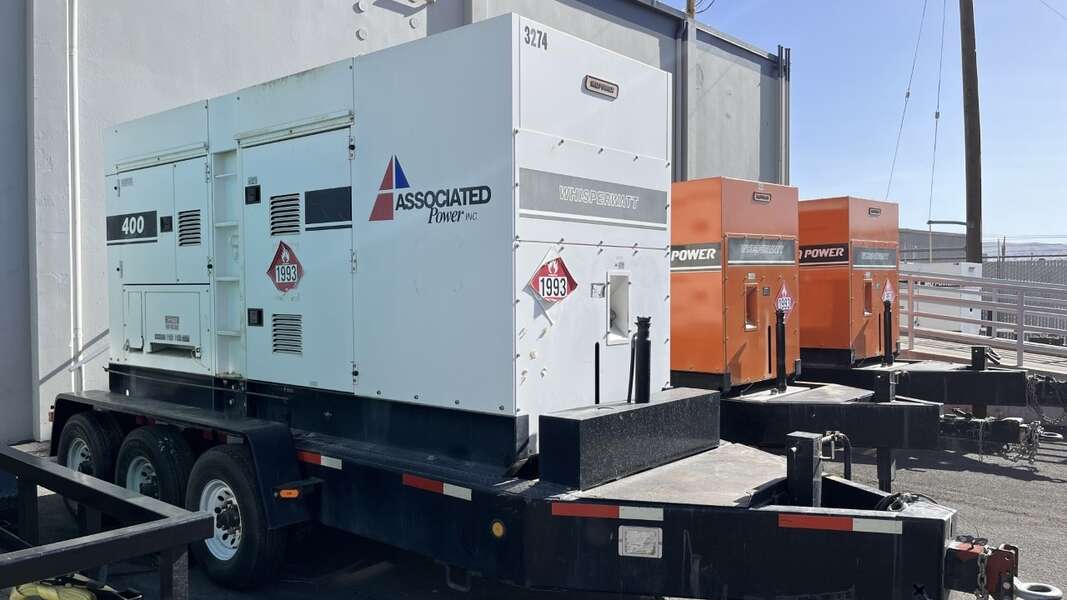
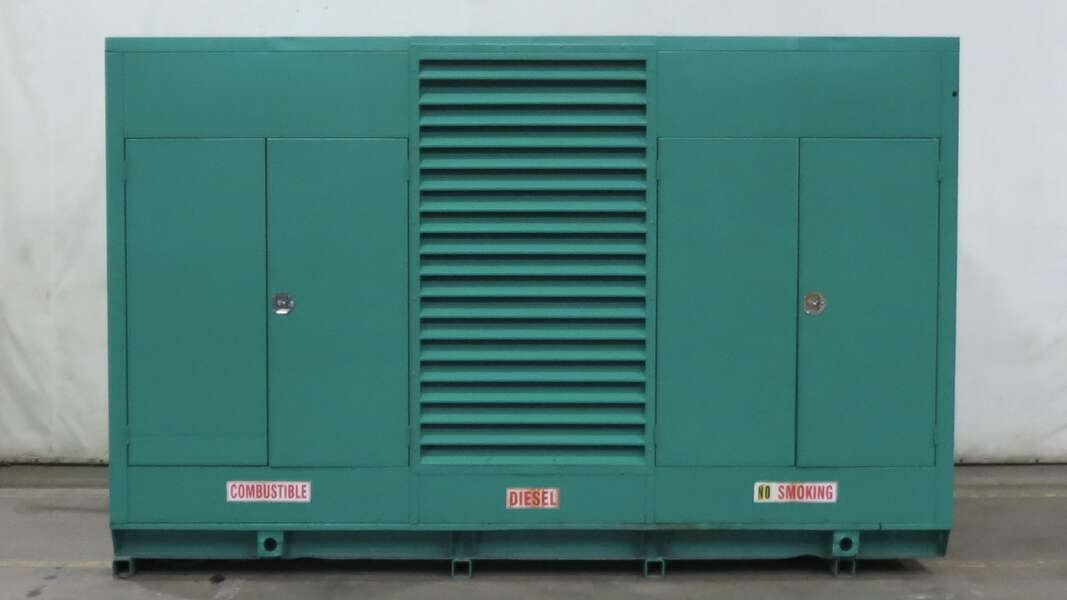
A row of industrial diesel generators
Road Construction
Industrial diesel generators are commonly used in road construction projects, providing power for lighting, machinery induction generators, and tools. They enable efficient operation and ensure productivity even in remote construction sites without access to the electrical grid.Airports
Airports use diesel generators to power runway lights, navigational systems, baggage handling systems, and security equipment. In case of a power outage, these generators kick in to maintain smooth operations and ensure the safety and convenience of air travel.Marine Vessels
Marine vessels and ports require reliable electric power for various functions, such as communication systems, refrigeration, and cargo handling. Standby generators provide the necessary electrical energy to keep the marine industry running smoothly.Agriculture
Standby and portable generators are widely used in agricultural settings, providing power for irrigation systems, farm equipment, and processing facilities. They ensure an uninterrupted power supply to support crop cultivation, power drip irrigation systems, livestock operations, and food processing.Hospitals
Hospitals and healthcare facilities heavily depend on industrial generators to maintain critical operations during power outages or natural disasters. Generators in hospitals power life-saving medical equipment, lighting, HVAC systems, and other essential functions, ensuring uninterrupted patient care.Hotels
In the hospitality industry, where guest comfort and satisfaction are paramount, backup generators play a crucial role. These systems provide essential power backup to sustain hotel operations, including guest services, lighting, HVAC systems, and security measures. Investing in backup generators ensures that hotels can maintain uninterrupted service, regardless of power disruptions or emergencies, thereby preserving the reputation and reliability of the establishment.Data Centers
Data centers house servers and IT infrastructure that requires a consistent and reliable power supply. Standby generators in data centers act as backup power sources, safeguarding against potential disruptions and minimizing the risk of data loss.Wrapping Up
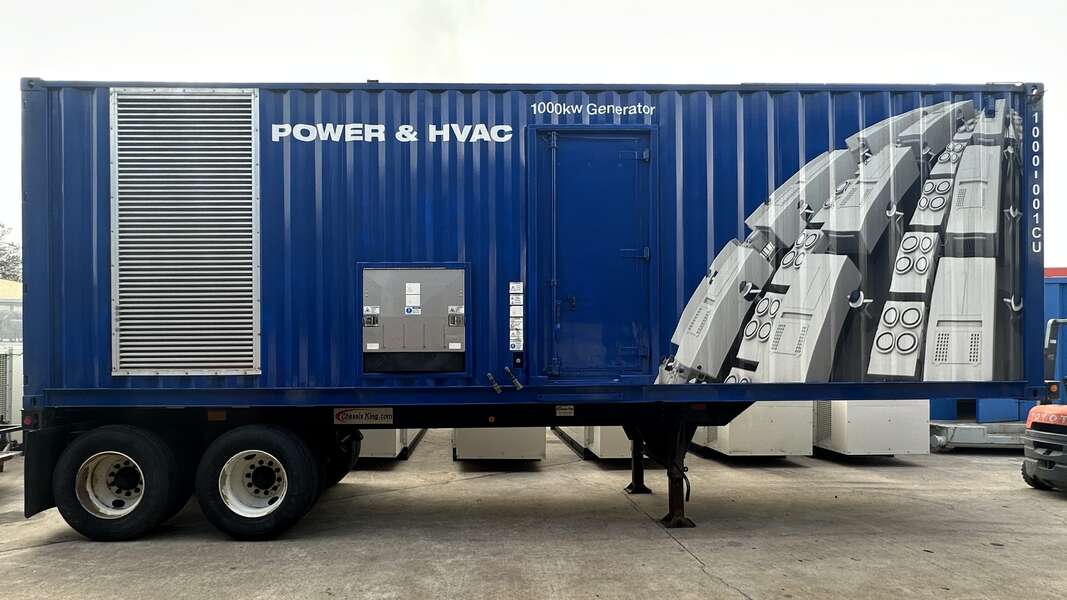
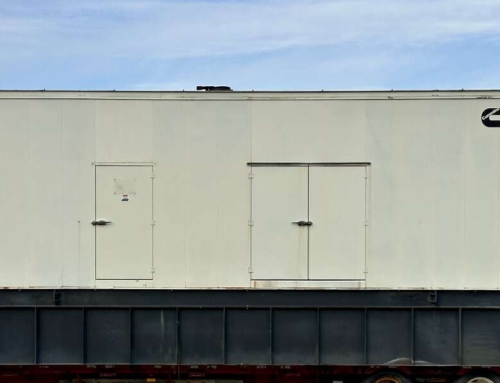
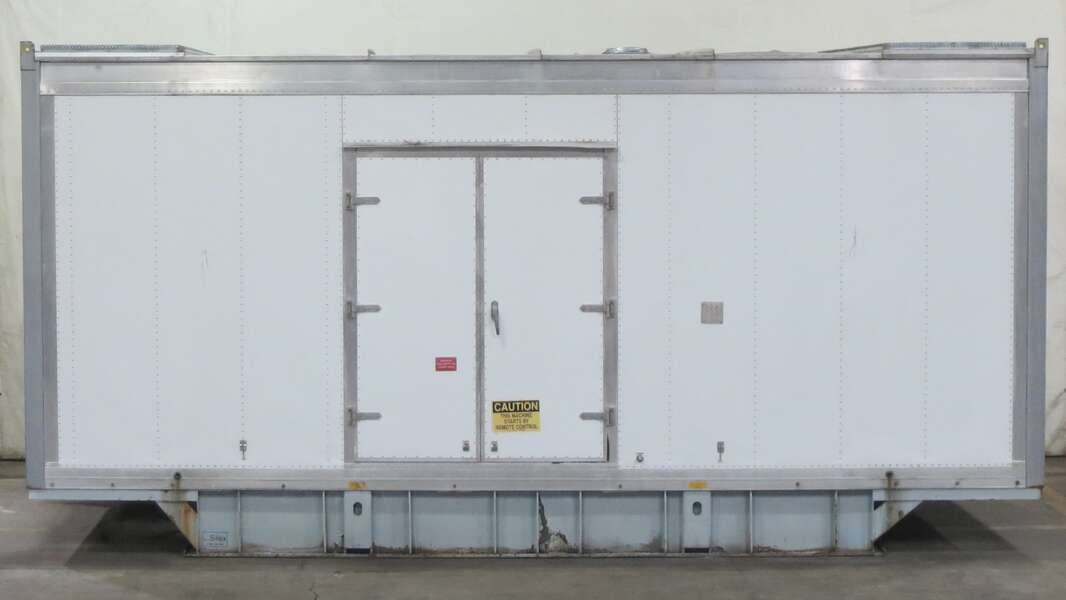
Large generator set