
Oil Pressure Switch – Definition, Function and Applications
The simplest way to define an engine oil pressure switch is as an on-engine protection device. The oil pressure switch, as the name suggests, enables the monitoring of the oil pressure of the engine. This switch can usually be located on the engine block and can be found in either of the two states – open or close.
When the oil pressure is low, the switch can be found closed to earth on fault. On the other hand, if the oil pressure is higher than the minimum requirement, the switch is in an open state.
The minimum requirement of oil pressure at which the engine ought to be shut down is determined and set by engine manufacturers, in a way that helps in preventing any issues with the engine or the catastrophic failure of the same. Did you know? More often than not, it is not the generator manufacturer that provides the oil pressure switch, but the engine manufacturer.Oil Pressure Switch – Applications
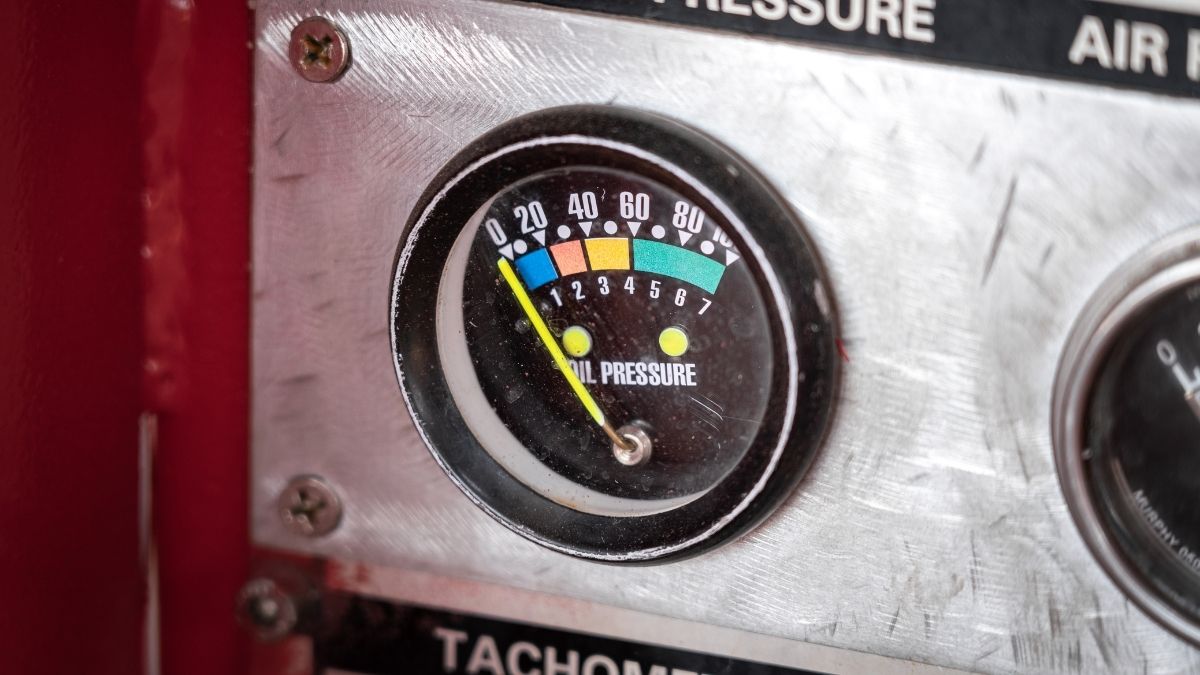
In most cases, an oil pressure switch is used to make sure that the engine is not running before it is cranked. Here, the switch needs to be in its default state, that is, closed to earth. The operator checks if the switch is in this resting position before cranking the engine, so as not to engage the starter motor while the engine is already running, as this may cause the starter to fail. Then again, the oil pressure sensor also doubles up as an actuator. Here, it activates the oil pressure light (warning light) in the dashboard, as soon as it registers low oil pressure (lower than the preset critical level). This timely signal by the oil pressure sensors help prevent any substantial damage to the engine. While it may differ based on the overall construction of the engine, the oil pressure sensor is generally located in a common area, such as in the cylinder block of the engine or in the oil filter housing. In some cases, the oil pressure gauge is can be spotted at the engine head.Pro Tip – Given the exceptional importance of oil pressure sensors, you must not hesitate to get an oil pressure sensor replacement in case of any discrepancy in the functioning of the sensor or the oil warning light.
Operating Principles of an Oil Pressure Switch
In most cases, the oil pressure sensor is operated through a self-elastic diaphragm, also known as a movable diaphragm with a fitted hairspring. The diaphragm releases pressure as a direct result of the pressure applied to it, which is why every OEM assigns a distinct critical value of oil pressure to each engine, usually in the range of 3.5 to 11 psi. When the oil pressure falls below the critical value, oil pressure sensor activates the warning light or simply returns a signal to the ECU. This helps alert the operator just in time to prevent any damage to the engine. In switches with usually open contacts, the contacts are activated when the oil pressure in the engine reaches the assigned critical level. This facilitates the movement of the diaphragm, resulting in the contacts being connected together, therefore bringing the switch to the closed position aka SWITCHED ON. On the other hand, in switches with normally closed contacts, the contacts are deactivated when the oil pressure in the engine reaches the assigned critical level. This facilitates the movement of the diaphragm, resulting in the already connected contacts now being disconnected together, therefore bringing the switch to the open position aka SWITCHED OFF. As is the case with the critical oil pressure, even the type, size, and construction of the engines may vary depending on the manufacturer, as well as the needs of the engine in question.
Diagnostics and Testing Procedures for Oil Pressure Switch
Case 1 – Switch with Normally Open Contacts
- In this situation, it should be checked if there is an open circuit between the contacts when the engine is not running.
- Next, the presence of a short circuit (continuity) between the contacts when the engine is running should be checked.
- Finally, the continuity and condition of the pins, terminals, and wires need to be inspected.
Case 2 – Switch with Normally Closed Contacts
- In this situation, it should be checked if there is a short circuit (continuity) between the contacts when the engine is not running.
- Next, the presence of an open circuit between the contacts when the engine is running should be looked out for.
- Finally, the continuity and condition of the pins, terminals, and wires must be inspected.