Load Banks for Generators
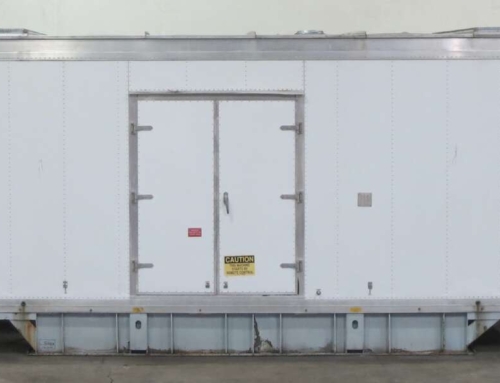
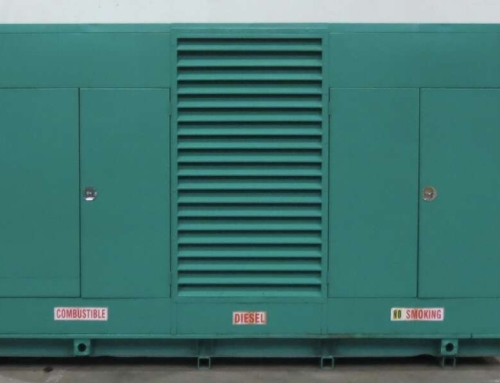
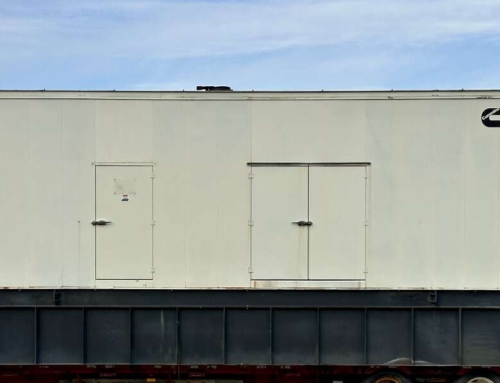
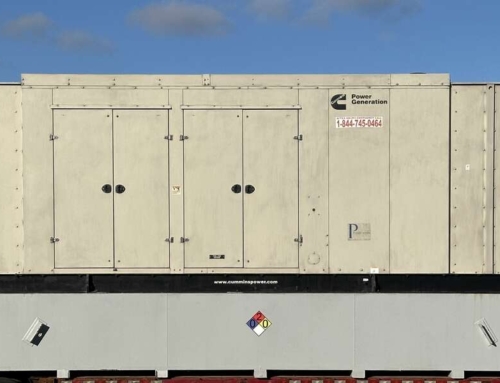
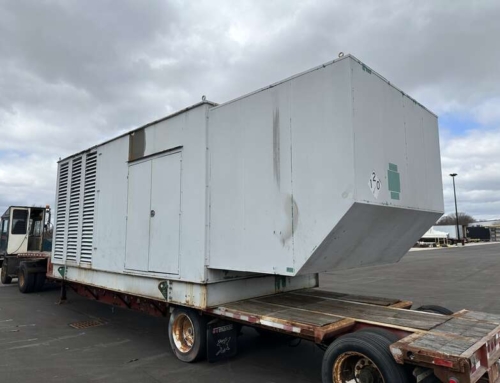
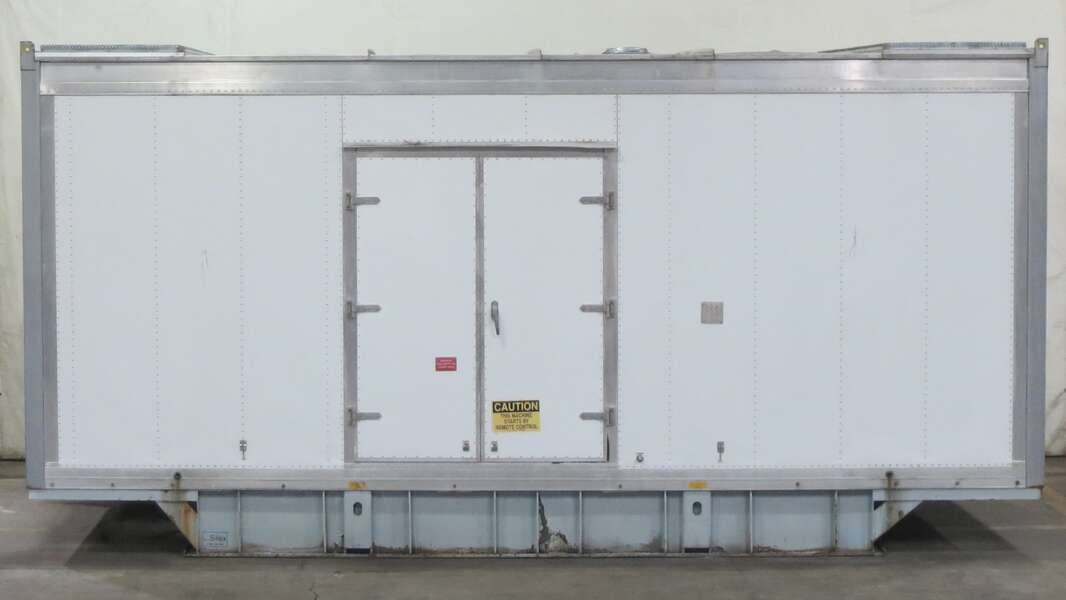
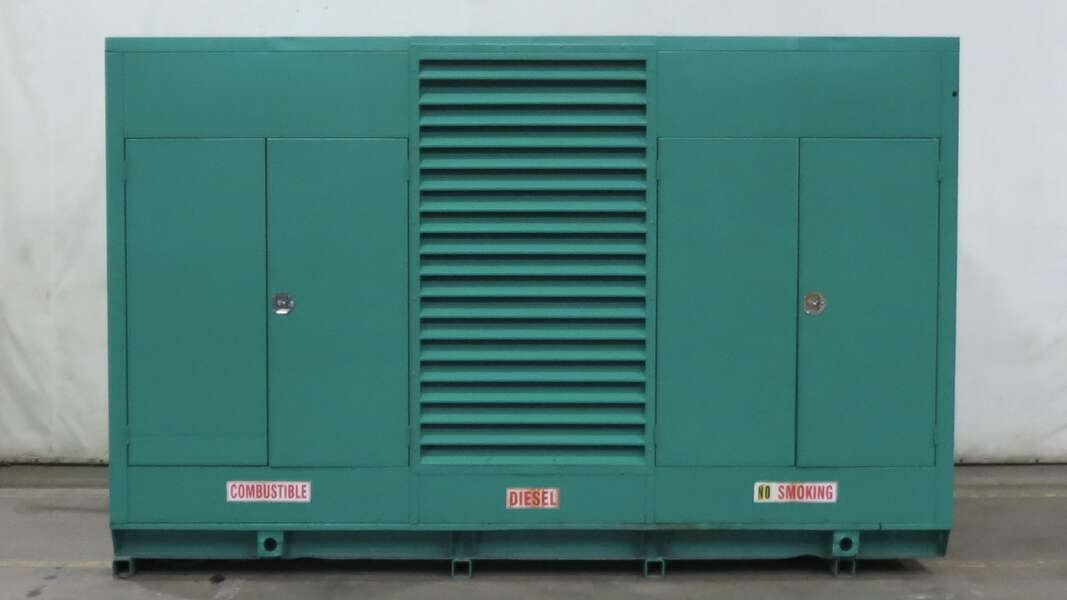
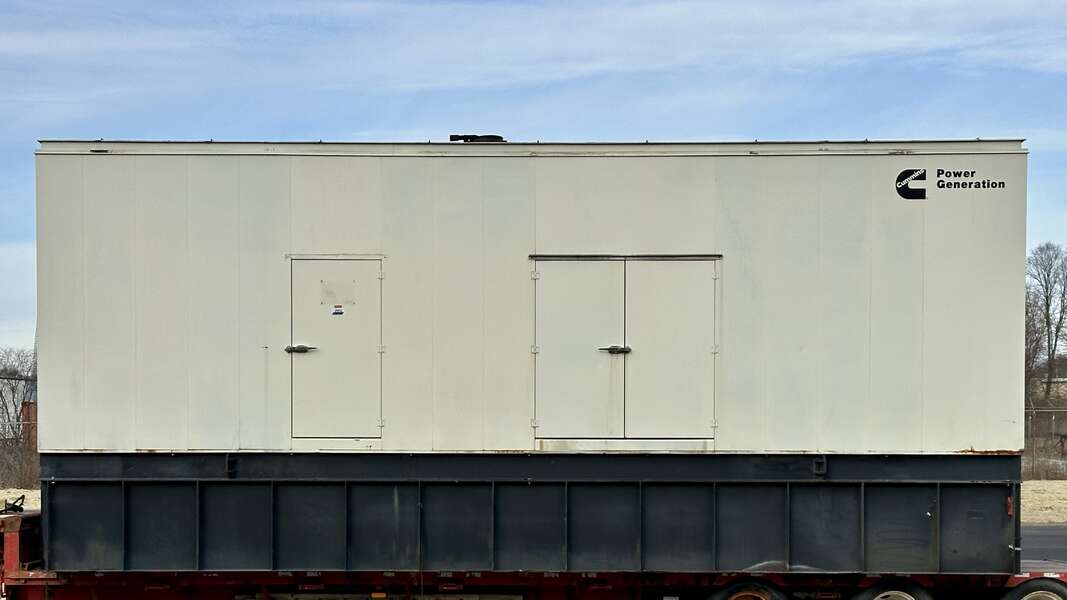
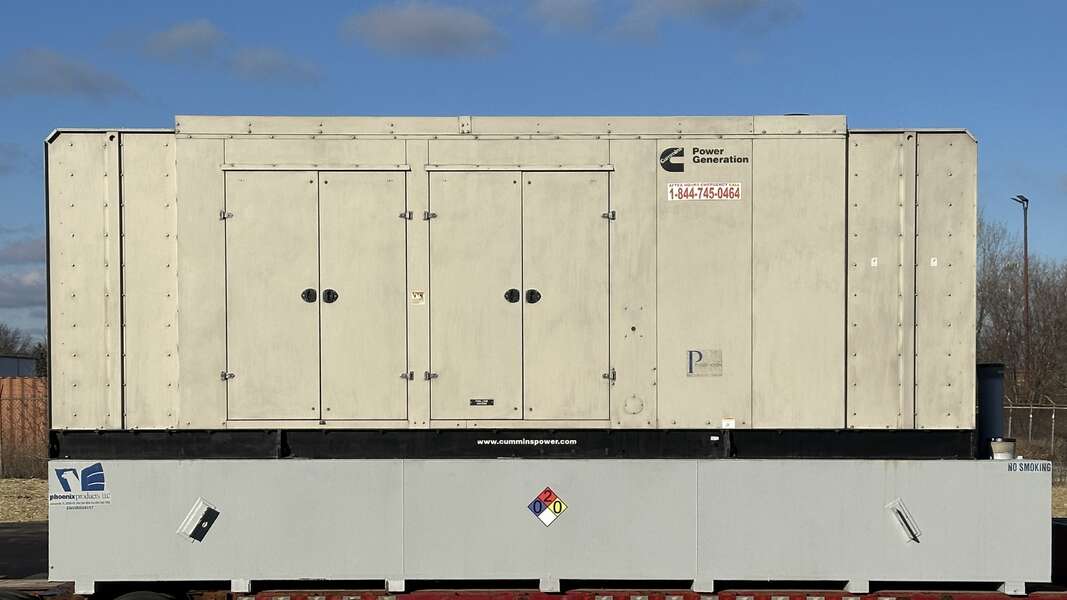
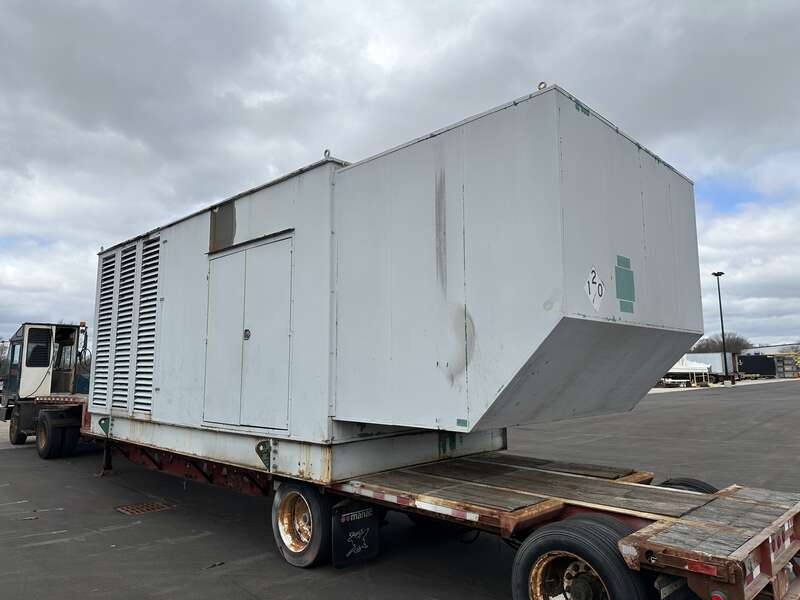
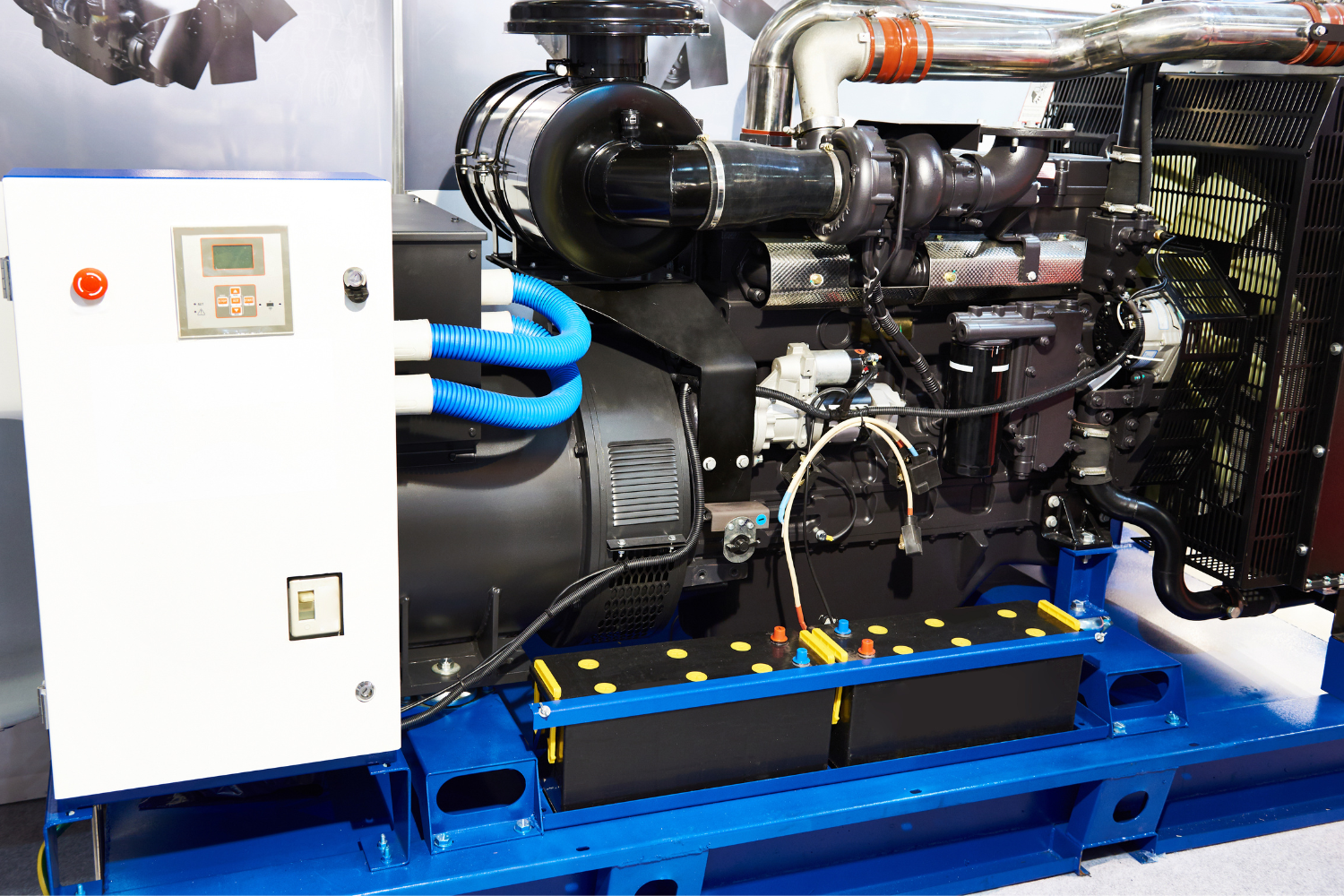
A generator load bank is a tool that mimics a generator’s load. It is used to assess the electrical system’s ability to manage increased loads as well as the power output of generators. A typical load bank will have heavy-duty cabling flowing out of it and resemble an enlarged electrical transformer. It is frequently kept inside an enclosure so that weather and other environmental elements cannot harm it. In the event of an incident involving high voltages or currents flowing through it, the enclosure also aids in preventing individuals from electrocuting themselves. There are four different types of generator load banks:- Resistive
- Reactive
- Resistive/reactive
- Electronic
Different Generator Load Banks
Your particular application and the sort of generator you wish to test will determine the kind of load bank you want.Resistive Load
The load bank consists of resistors made to fit your generator’s electrical properties. This load bank will generate heat but won’t interact with the generator. It evaluates the generator’s performance when operating at full capacity. Generators are frequently tested at full load circumstances using a resistive load bank. This kind of load bank is used to imitate actual loads, such as those put on commercial or industrial generators by air conditioning or refrigeration equipment. Numerous output voltages can be incorporated into the devices to employ resistive load banks with generators operating at different voltage levels (such as 1 VAC or 3 VDC).Reactive Load
Capacitors and inductors are employed in this load bank to imitate reactive loads, such as motors and generators. Much like a genuine motor, a current ramp will be produced as the generator and reactive load respond. Typically, these loads are used to test generator performance in a range of power factor circumstances, including low and heavy loading (high KVA) conditions. This load bank simulates genuine loads like variable frequency drives (VFDs), pumps, compressors, etc., using a rotary transformer and an induction motor with a squirrel cage and no brushes. Reactive loads are also used to test transformers to assess their performance under various loading scenarios. This includes partial or full-loading tests, in which all a transformer’s windings are simultaneously energized at rated voltage and frequency but at various power levels based on their ampere ratings.
Resistive/Reactive Load
Reactive and resistive components are combined to form this particular load bank. The reactive element represents typical motor or generator behavior that you could observe in an industrial context, on-site at a power plant or substation facility. Meanwhile, the resistive component is meant to match the electrical characteristics of your generator. This enables simultaneous accurate testing of both kinds of loads. A classic illustration would be an air compressor driving a fan motor through a VFD, which in turn drives a pump through another VFD, and so on.Electronic Load
By taking current from the linked generator in accordance with its characteristic impedance, an electronic load bank is an active device that replicates the behavior of an electric appliance or piece of equipment. The impedance characteristics of the generator to which an electronic load is attached are often considered (for example, a 3 kW motor-driven device may call for an electronic load that draws 3 kW at 50 Hz). PLCs (Programmable Logic Controllers), SCADA, and other electronic signals that mimic real electronic equipment are included in it.Resistive vs. Reactive vs. Resistive/reactive vs. Electronic Generator Load Banks
| Load Bank Type | Functionality | Pros | Cons |
| Resistive | Only creates resistive load (active power) | Simple design and operation | Does not test the generator’s reactive power capability |
| Reactive | Only creates reactive load (reactive power) | Tests the generator’s reactive power capability | Does not test the generator’s ability to handle resistive loads |
| Resistive/Reactive | Creates a combination of resistive and reactive loads | Tests the generator’s ability to handle both resistive and reactive loads | More complex design and operation, typically higher cost |
| Electronic | Provides a digitally controlled load to simulate various real-life operating conditions | Accurate and reliable load simulation | More expensive compared to other load banks, requires proper programming and setup for accurate testing |