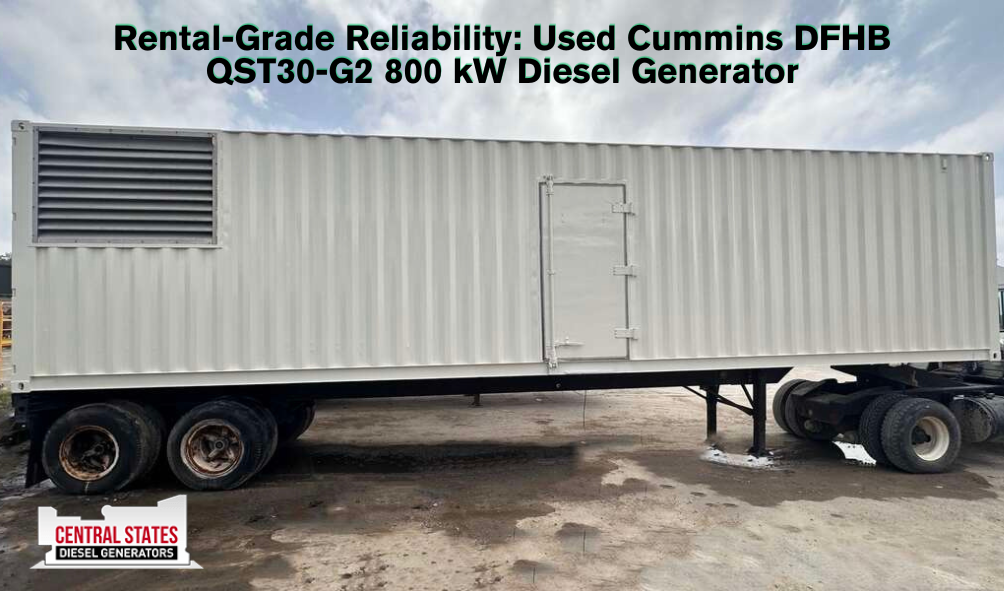
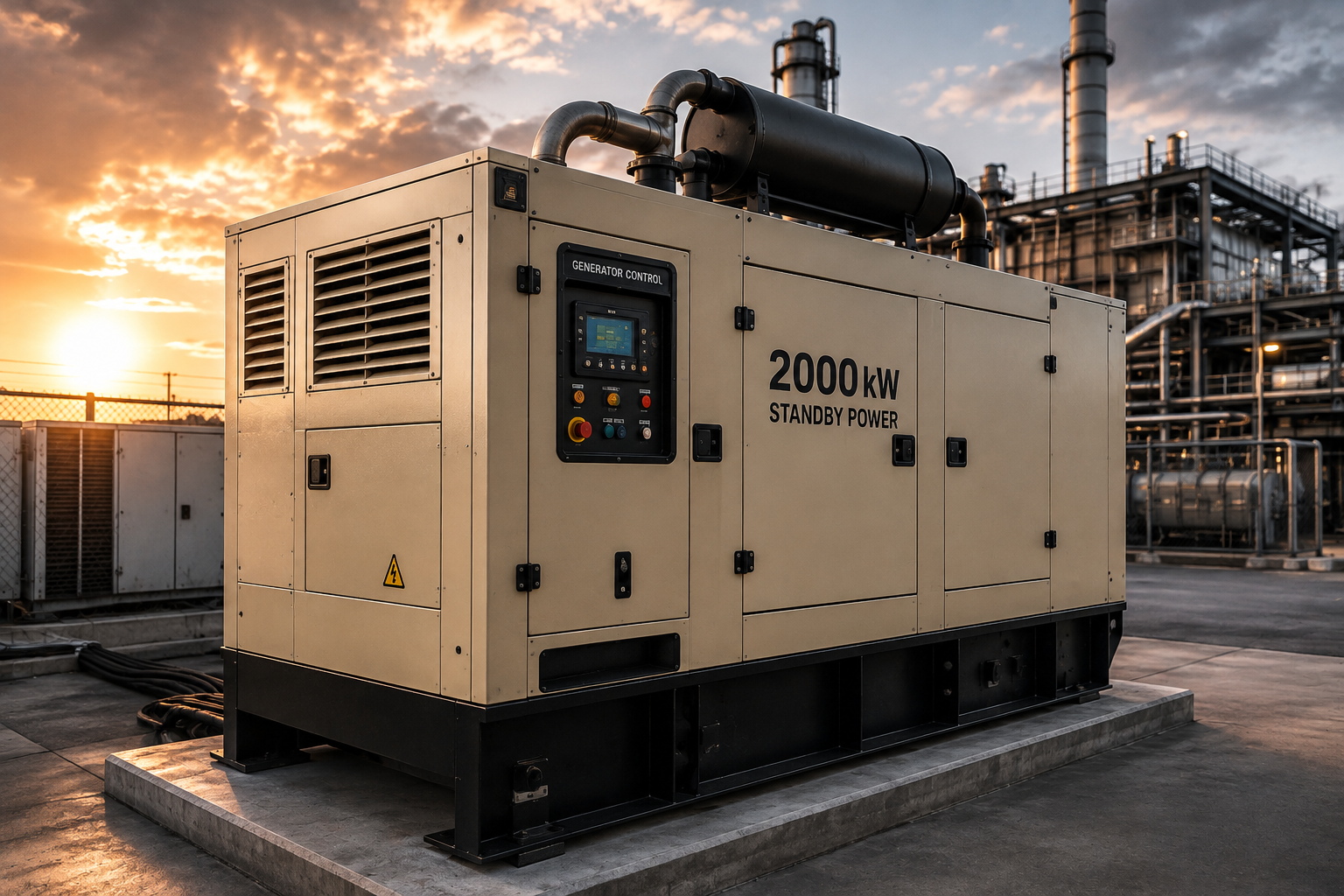
The generator price is only part of your delivered cost. A 1,500 kW genset in Wisconsin does you no good until it’s sitting on your pad in Texas — and moving 40,000 lbs of steel across the country involves freight class decisions, permits, cranes, and insurance that first-time buyers rarely budget correctly. Here’s the complete cost picture for 2026, from a dealer that ships gensets nationwide every week.
Generator Shipping Cost by Size (2026)
| Generator Size | Typical Weight | Transport Type | Typical Cost (500–1,500 mi) |
|---|---|---|---|
| 20–100 kW | 1,500–5,000 lbs | LTL / hotshot / flatbed | $800–$2,500 |
| 125–300 kW | 5,000–12,000 lbs | Flatbed | $1,500–$4,000 |
| 350–600 kW | 12,000–22,000 lbs | Dedicated flatbed/step-deck | $2,500–$6,000 |
| 750–1,000 kW | 22,000–35,000 lbs | Step-deck / RGN | $3,500–$8,000 |
| 1,250–2,000 kW | 35,000–60,000 lbs | RGN / heavy haul, permits | $6,000–$12,000 |
| 2,000+ kW | 60,000–100,000+ lbs | Multi-axle heavy haul, escorts | $10,000–$25,000+ |
Figures are budget ranges for standard continental-US moves; fuel surcharges, remote locations, and expedited timing push costs higher. Enclosures and sub-base tanks add height and weight — a 750 kW unit with a 2,000-gallon tank can move a full trailer class up.
The Four Cost Components
1. Line-haul freight
The truck itself. Rates run roughly $2.50–$4.50 per mile for standard flatbed and $4–$8+ per mile for permitted heavy haul. Backhaul availability matters — popular lanes (Midwest to Texas, Southeast) price better than remote destinations.
2. Permits and escorts
Loads over 8’6″ wide, 13’6″ tall (varies by state), or 80,000 lbs gross need oversize/overweight permits — $50–$500 per state crossed. Wide loads may require pilot cars at $1.50–$3.00 per mile each, and some states restrict weekend or night movement, affecting schedule.
3. Rigging and cranes
Loading at origin and offloading at destination are separate line items. A forklift offload of a 200 kW skid may be a few hundred dollars; a crane set of a 1,500 kW unit onto a pad — with certified riggers — commonly runs $2,500–$7,500 per end depending on crane size, hours, and access. Rooftop or confined-site sets cost multiples more.
4. Insurance
Standard motor carrier cargo insurance often caps at $100,000–$250,000 — below the value of a large genset. Confirm declared-value coverage matching the unit’s replacement cost; expect roughly $10–$25 per $10,000 of declared value for the shipment.
Real-World Cost Examples
| Scenario | Approx. All-In Transport Cost |
|---|---|
| 150 kW enclosed unit, Wisconsin → Ohio (400 mi), forklift both ends | $1,500–$2,500 |
| 500 kW unit, Wisconsin → Texas (1,100 mi), crane offload | $4,500–$8,000 |
| 1,250 kW w/ tank, Midwest → Virginia (800 mi), permits + crane set | $9,000–$16,000 |
| 2,500 kW, cross-country, escorts + engineered lift | $20,000–$40,000+ |
How to Keep Shipping Costs Down
- Buy from a dealer who quotes delivered pricing. Dealers moving gensets weekly have carrier relationships and realistic quotes; marketplace sellers often underestimate by thousands.
- Prepare the site before the truck arrives. Truck detention runs $75–$150/hr and crane minimums are typically 4 hours — a pad that isn’t ready is the most common budget-buster.
- Ship without fuel. Fuel in the tank adds weight and hazmat considerations; take delivery dry and fuel on-site.
- Be flexible on pickup timing. A 1–2 week flexible window lets brokers find backhaul rates well below expedited pricing.
- Verify door-side clearances early. Overhead lines, gate widths, and pad access determine crane size — the single biggest variable in rigging cost.
What About International Shipping?
Containerized export (units under ~8′ wide fit a flat rack or open top) adds ocean freight of roughly $3,000–$8,000 to most major ports, plus export packing, customs brokerage, and destination handling. Larger units ship break-bulk or RoRo. Port-adjacent dealers and export-experienced sellers materially reduce friction on international deals.
Frequently Asked Questions
How much does it cost to ship a 500 kW generator?
Typically $2,500–$6,000 for freight on a dedicated flatbed or step-deck for a standard continental-US move, plus $1,500–$5,000 per end if crane offloading is required.
Can generators ship with fuel in the tank?
Best practice is to ship dry (or near-dry). Residual diesel is generally tolerated, but full tanks add thousands of pounds, can trigger hazmat handling, and risk leaks in transit.
Who arranges shipping — the buyer or the dealer?
Either. Established dealers typically offer delivered pricing with vetted carriers and proper cargo insurance — usually the lower-risk path. If you arrange your own freight, verify the carrier’s cargo coverage limit against the unit’s value.
How long does generator shipping take?
Once scheduled: 2–7 days transit for most continental moves. Adding permit processing for oversize loads, plan 1–3 weeks door-to-door from purchase for large units.
Do I need a crane to unload a generator?
Units under ~10,000 lbs can often be handled with a heavy forklift. Enclosed units 400 kW and up, or anything set onto a pad, typically need a crane with certified riggers. Your dealer can spec the lift from the unit’s weight and your site photos.